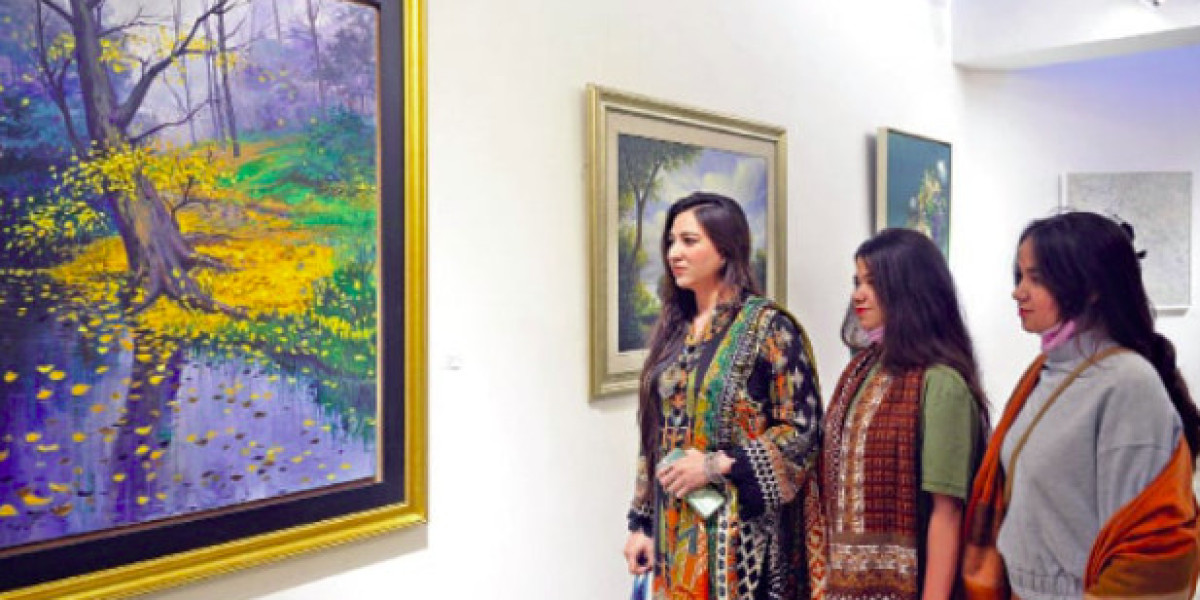

If you looked at contemporary Pakistani painting a generation ago and compare it to what's being made today, the shift is pretty striking. It's not just a change in technique — it's a change in subject matter, in what artists feel is worth painting about, and in how comfortable the local art scene has become with tackling ideas that wouldn't have found much room on gallery walls a few decades back. If you're trying to get a better sense of what's actually happening in contemporary Pakistani art right now, rather than just what it looks like, it helps to look at the themes running through it.
Identity and Belonging
A huge amount of contemporary work coming out of Pakistan right now deals, in one way or another, with identity — national identity, cultural identity, personal identity shaped by migration, class, or gender. This isn't a new theme in art generally, but it's taken on particular weight in Pakistan, where questions about what it means to be modern and Pakistani at the same time are genuinely still being worked out in real time. Painters exploring this often pull from personal experience, family history, or the tension between traditional expectations and contemporary life.
Tradition Reworked, Not Rejected
One of the more interesting patterns in contemporary Pakistani painting is how often artists lean into traditional techniques rather than away from them. Miniature painting is the clearest example — a centuries-old, highly disciplined technique that a lot of contemporary artists have picked up specifically because its precision and formal conventions give them a strong structure to push against. An artist working in the miniature tradition today might use the same fine brushwork and layered pigment process their predecessors used centuries ago, but apply it to a scene about urban life, technology, or a political moment, creating a deliberate friction between old form and new content.
This pattern shows up with calligraphy too. Artists are increasingly using traditional scripts and letterforms in compositions that move well beyond religious or purely decorative purposes, treating the calligraphic line itself as a flexible artistic tool.
Social and Political Commentary
Contemporary painting in Pakistan has increasingly become a space for artists to comment directly on social and political conditions — inequality, urban life, gender, environmental concerns, and the everyday realities of living in a rapidly changing country. This isn't universal; plenty of contemporary work stays purely aesthetic or personal. But the willingness of artists and galleries to show politically or socially charged work has clearly grown, and it's part of what gives the current scene its energy. Group exhibitions built around a shared social theme have become a fairly regular feature of the local gallery calendar.
Technology and Materiality
Newer technology has started showing up as both subject matter and material. Some contemporary artists are engaging directly with themes around digital life, artificial intelligence, and virtual space, using painting to reflect on how technology is reshaping human connection and experience. Others take a more physical, material-focused approach — incorporating unconventional or repurposed materials into their compositions as a way of commenting on consumption, waste, and value. Both directions show a scene that's actively responding to the present moment rather than treating painting as disconnected from it.
Inclusion and Community
There's also a growing thread of contemporary work built around inclusion — exhibitions and projects that platform artists from underrepresented communities, including artists with disabilities, and use painting as a way to broaden who gets seen and heard in the art world. This kind of work tends to carry a different energy than gallery shows built purely around aesthetics; it's often as much about representation and access as it is about the paintings themselves.
Why This Range Matters if You're Buying or Just Looking
Understanding these broader currents makes browsing contemporary Pakistani painting a lot more interesting, whether you're a serious collector or just curious. Instead of evaluating a piece purely on whether you like the colors or composition, you start noticing what it's actually doing — is it reworking a traditional form, responding to a social issue, exploring personal identity, engaging with technology? That context doesn't change whether you like a painting, but it usually deepens how you experience it.
If you want to go further into how abstraction specifically fits into this picture — since a lot of contemporary work leans on abstract or semi-abstract approaches even when it's carrying a specific message — Ejaz Art Gallery has a good breakdown of abstract art's origins and significance here, which pairs well with the themes covered above.
To see how these currents show up in an actual working collection, ejazartgallery.com is worth browsing — the range across contemporary, traditional, and calligraphy work gives a fairly representative snapshot of where Pakistani painting stands today.
Frequently Asked Questions
1. Is contemporary Pakistani art mostly political? No, though political and social commentary has become a more visible thread than it used to be. A lot of contemporary work remains focused on personal, aesthetic, or purely formal concerns rather than explicit commentary.
2. Why do so many contemporary artists still use traditional techniques like miniature painting? The discipline and formal structure of traditional techniques give contemporary artists a strong foundation to work from, and applying centuries-old methods to modern subjects creates a deliberate tension that many artists find creatively productive.
3. How has technology influenced contemporary Pakistani painting? Some artists engage with technology as subject matter, exploring themes like digital life and artificial intelligence, while others incorporate unconventional or repurposed materials into their physical process. Both reflect painting responding to a changing present.
4. Do I need to understand the themes behind a painting to appreciate it? Not at all. Plenty of people connect with contemporary work purely on a visual or emotional level. Understanding the ideas behind it is optional, but it often adds depth to the experience if you're interested.
5. What makes contemporary Pakistani art different from Pakistani art a generation ago? Subject matter has broadened considerably, with more willingness to explore identity, social issues, and technology directly, alongside a continued strong presence of traditional techniques being reinterpreted for modern themes.