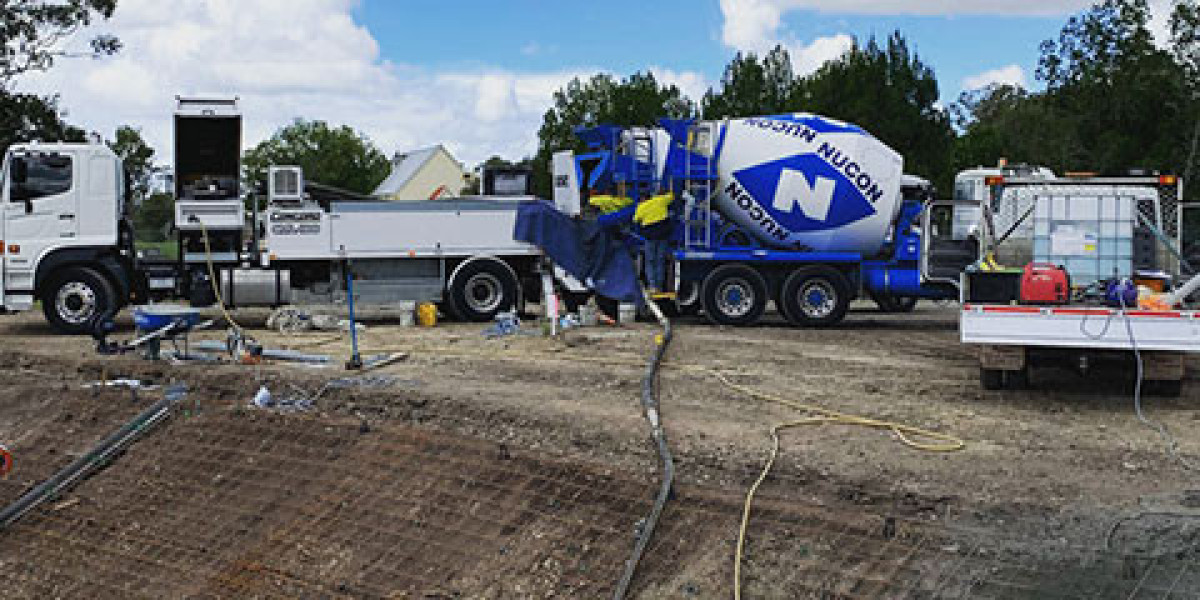

Effective drainage is one of the most important yet often overlooked aspects of successful land development. Whether you're preparing a residential subdivision, commercial property, industrial facility, or large-scale infrastructure project, a well-designed drainage system plays a vital role in ensuring the land remains stable, safe, and environmentally sustainable.
Without proper drainage, excess water can weaken soil, damage foundations, increase erosion, and create flooding risks that affect both construction projects and surrounding communities. Professional drainage solutions are designed to manage surface water and groundwater efficiently, protecting developments while supporting long-term environmental health.
Modern land development requires more than simply directing water away from buildings. It involves careful planning, engineering expertise, and sustainable drainage practices that comply with environmental regulations while preserving natural resources.
In this article, we'll explore how drainage solutions contribute to safe and sustainable land development and why investing in professional drainage planning is essential for every construction project.
Understanding Drainage Solutions
Drainage solutions refer to systems and engineering techniques used to control, collect, transport, and discharge excess water from a site. Their primary purpose is to prevent water from accumulating in areas where it could damage structures, destabilize soil, or create safety hazards.
Common drainage systems include:
- Surface drainage
- Subsurface drainage
- Stormwater drainage
- French drains
- Swales and channels
- Culverts
- Retention and detention basins
- Underground drainage pipes
- Catch pits and stormwater pits
- Agricultural drainage systems
Each system is selected based on factors such as site conditions, soil type, rainfall patterns, and the intended use of the land.
Why Proper Drainage Is Essential for Land Development
Water is one of the most powerful natural forces affecting construction sites. Poorly managed stormwater or groundwater can significantly impact the safety, stability, and lifespan of any development.
Professional drainage systems help:
- Prevent flooding
- Protect building foundations
- Control soil erosion
- Improve site safety
- Preserve landscaping
- Extend pavement life
- Support environmental sustainability
- Reduce long-term maintenance costs
Proper drainage planning ensures the land remains functional even during heavy rainfall.
Protecting Building Foundations
A stable foundation is critical for every structure.
When water accumulates around foundations, it can cause:
- Soil movement
- Cracking
- Uneven settlement
- Basement flooding
- Structural damage
Professional drainage systems redirect water away from buildings, helping maintain foundation stability throughout the life of the structure.
Preventing Soil Erosion
Uncontrolled water runoff can gradually wash away valuable topsoil.
Soil erosion may lead to:
- Land instability
- Damaged landscaping
- Exposed utilities
- Sediment pollution
- Reduced property value
Drainage solutions manage water flow, reducing erosion while protecting both construction sites and nearby ecosystems.
Reducing Flood Risks
Flooding is one of the biggest challenges for many development projects.
Heavy rainfall can quickly overwhelm poorly designed sites, causing:
- Waterlogged land
- Property damage
- Construction delays
- Safety hazards
- Business interruptions
Well-designed drainage infrastructure captures and redirects excess water, reducing the likelihood of flooding during storms.
Supporting Environmental Sustainability
Modern drainage systems are designed not only to protect properties but also to minimize environmental impacts.
Sustainable drainage practices help:
- Improve groundwater recharge
- Reduce pollution entering waterways
- Filter stormwater naturally
- Protect local ecosystems
- Preserve water quality
These environmentally responsible approaches contribute to healthier communities and more resilient landscapes.
Improving Construction Site Safety
Construction sites become significantly more dangerous when water is not properly controlled.
Standing water can create:
- Slippery surfaces
- Equipment hazards
- Unstable excavation areas
- Increased accident risks
- Delays caused by muddy conditions
Professional drainage systems help maintain safer working environments throughout the construction process.
Supporting Road and Infrastructure Projects
Roads, bridges, parking areas, and public infrastructure depend heavily on effective drainage.
Without proper water management, infrastructure can suffer from:
- Pavement deterioration
- Potholes
- Road erosion
- Bridge damage
- Drainage blockages
Proper drainage extends infrastructure lifespan while reducing maintenance requirements.
Enhancing Property Value
Properties with effective drainage systems are generally more attractive to buyers, investors, and developers.
Benefits include:
- Reduced flood risk
- Better landscaping
- Improved structural integrity
- Lower repair costs
- Greater long-term reliability
Good drainage contributes to both property performance and market value.
Sustainable Stormwater Management
Urban development increases the amount of hard surfaces such as roads, roofs, and driveways, preventing rainwater from naturally soaking into the ground.
Sustainable stormwater management addresses this challenge through solutions like:
Retention Basins
Store stormwater temporarily before gradual release.
Detention Basins
Reduce peak stormwater flow during heavy rainfall.
Bioswales
Vegetated channels that naturally filter and slow runoff.
Permeable Pavements
Allow water to infiltrate into the ground rather than running off.
Rain Gardens
Landscaped areas designed to absorb and filter stormwater.
These solutions reduce pressure on municipal drainage systems while protecting nearby waterways.
The Role of Modern Technology
Today's drainage projects benefit from advanced engineering technologies.
Common tools include:
- GPS site surveying
- Laser grading
- Drone mapping
- Computer drainage modeling
- Hydraulic analysis software
- Geographic Information Systems (GIS)
These technologies allow engineers to design highly accurate drainage systems that perform efficiently under various weather conditions.
Choosing the Right Drainage Contractor
Successful drainage projects begin with experienced professionals.
When selecting a contractor, consider:
- Industry experience
- Engineering expertise
- Modern equipment
- Safety standards
- Environmental compliance
- Quality workmanship
- Project portfolio
- Positive client reviews
An experienced contractor will assess site conditions, recommend suitable drainage solutions, and ensure the system meets local regulations and project requirements.
Long-Term Benefits of Professional Drainage Solutions
Investing in quality drainage systems offers lasting advantages, including:
- Improved land stability
- Reduced flooding risks
- Stronger structural foundations
- Lower maintenance expenses
- Better environmental protection
- Increased property value
- Longer infrastructure lifespan
- Safer construction sites
- Enhanced project sustainability
These long-term benefits often outweigh the initial investment by reducing costly repairs and improving overall project performance.
Conclusion
Drainage solutions are a fundamental part of safe and sustainable land development. From protecting foundations and controlling erosion to reducing flood risks and supporting environmental conservation, professionally designed drainage systems provide long-term value for residential, commercial, industrial, and civil construction projects.
As development continues to expand, effective stormwater and groundwater management has become more important than ever. By investing in expert drainage planning, modern engineering practices, and high-quality installation, developers and property owners can create safer, more resilient, and environmentally responsible projects that stand the test of time. Whether it's a small residential development or a major infrastructure project, proper drainage is the foundation of successful and sustainable land development.








