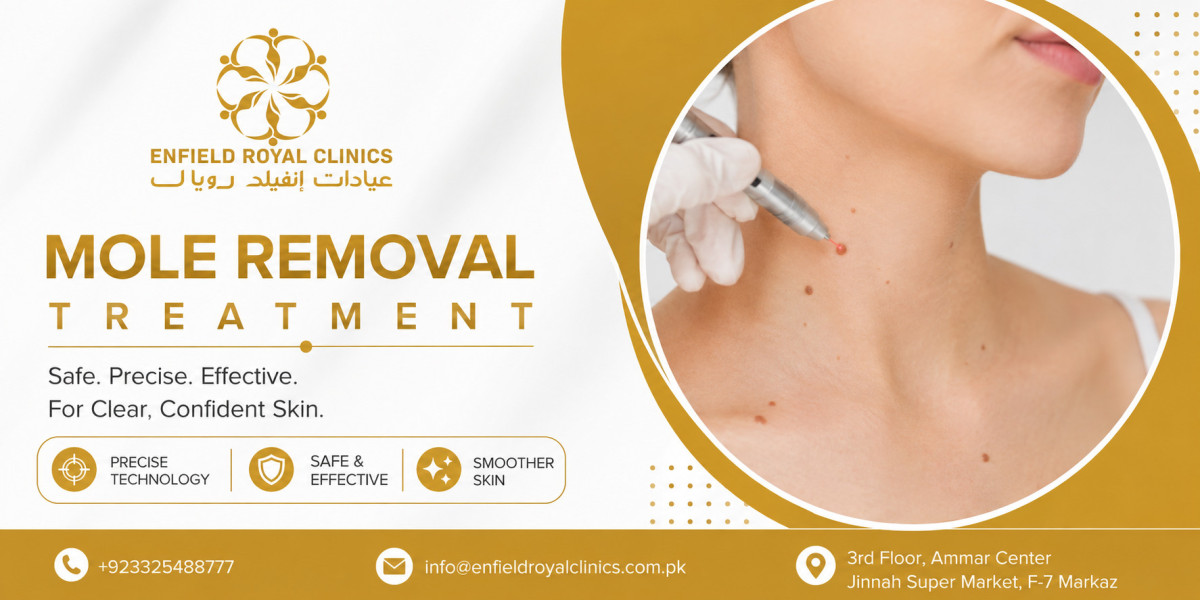

If you're considering Mole Removal Treatment, one of the first questions you may have is how much time the procedure requires. Whether you're removing a mole for cosmetic reasons or because it causes discomfort, understanding the treatment timeline can help you plan your schedule and feel more prepared.
The good news is that mole removal is generally a quick outpatient procedure. Most treatments are completed in less than an hour, and many patients can return to their normal daily activities shortly afterward. However, the exact duration depends on several factors, including the size, depth, number, and location of the moles being treated.
What Is Mole Removal Treatment?
Mole Removal Treatment is a medical procedure used to safely remove unwanted or suspicious moles from the skin. Modern techniques allow specialists to remove moles with precision while minimizing damage to surrounding tissue.
The treatment may be recommended for:
- Cosmetic improvement
- Skin comfort
- Frequent irritation
- Medical evaluation of changing moles
Before the procedure, a skin specialist carefully examines the mole to determine the most suitable removal method.
How Long Does the Consultation Take?
Every successful treatment begins with a consultation.
During this appointment, the specialist will:
- Examine the mole
- Review your medical history
- Discuss your concerns
- Recommend the best treatment method
- Explain the recovery process
This consultation typically takes 15 to 30 minutes, depending on the number of moles being assessed and whether additional questions need to be addressed.
How Long Does the Actual Procedure Take?
The removal procedure itself is usually quite fast.
For most patients, treatment takes 20 to 45 minutes. Smaller moles can often be removed in just a few minutes, while larger or multiple moles may require additional time.
The overall appointment may last up to an hour when preparation, anesthesia, and aftercare instructions are included.
Factors That Affect Treatment Time
Every patient is different, so the length of the procedure can vary.
Size of the Mole
Small moles generally require less time to remove than larger ones.
Larger moles often involve more careful planning and may require stitches if surgical removal is performed.
Number of Moles
Removing one mole is naturally quicker than treating several during the same appointment.
If multiple moles are being removed, your doctor will estimate the total treatment time during your consultation.
Location on the Body
Some body areas require extra precision.
For example, moles on the face, eyelids, or lips often require careful technique to achieve the best cosmetic result, which may slightly increase procedure time.
Removal Technique
Different treatment methods require different amounts of time.
The specialist selects the most appropriate approach based on the mole's characteristics.
Common Mole Removal Methods
Modern dermatology offers several effective removal techniques.
Laser Removal
Laser treatment is commonly used for small, flat, and non-cancerous moles.
The procedure is usually very quick, often taking only a few minutes for each mole. Because there are no stitches involved, treatment is generally completed efficiently.
Surgical Excision
Larger or deeper moles often require surgical excision.
This method takes slightly longer because the mole must be carefully removed and, in many cases, the wound is closed with stitches.
Even with surgical removal, the procedure is usually completed within a short outpatient visit.
Shave Removal
Raised moles can often be treated using a shave technique.
This method is relatively fast and typically requires only a short amount of time after the area has been numbed.
What Happens Before the Procedure?
Preparation is simple and usually requires only a few minutes.
Before treatment, the specialist will:
- Clean the treatment area
- Mark the mole if necessary
- Apply local anesthesia
- Prepare sterile instruments
The anesthetic generally begins working within a few minutes, allowing the procedure to proceed comfortably.
Is Recovery Time Long?
Although the procedure itself is brief, healing continues after you leave the clinic.
Most patients can return to normal daily activities on the same day, depending on the removal method and the location of the treated mole.
Healing times vary:
- Small laser-treated areas often heal within 1 to 2 weeks.
- Shave removal usually heals within 1 to 3 weeks.
- Surgical excision may require 2 to 4 weeks for complete healing, although many patients resume normal routines much sooner.
Your doctor will provide personalized recovery instructions based on your treatment.
How Can You Speed Up Healing?
Good aftercare helps the skin recover more efficiently.
Patients are usually advised to:
- Keep the area clean.
- Avoid scratching or picking at the wound.
- Apply prescribed ointments if recommended.
- Protect the area from direct sunlight.
- Follow all post-treatment instructions carefully.
Proper care reduces the risk of infection and supports smoother healing.
Does Removing Multiple Moles Take Longer?
Yes. If several moles are removed during one appointment, the procedure naturally takes more time.
However, treating multiple moles in a single visit can often be more convenient than scheduling separate appointments.
Your specialist will determine how many moles can safely be removed during one session.
Benefits of a Quick Outpatient Procedure
One reason many patients choose professional mole removal is the convenience.
Some of the benefits include:
- Short treatment time
- No overnight hospital stay
- Minimal interruption to daily life
- Fast return to routine activities
- Personalized treatment planning
- Modern techniques with precise results
These advantages make mole removal a practical option for many people.
When Should You Contact Your Doctor?
After treatment, mild redness and tenderness are normal.
However, you should contact your healthcare provider if you notice:
- Severe pain
- Excessive bleeding
- Increasing swelling
- Fever
- Pus or unusual discharge
- Delayed healing
Early medical attention helps ensure a smooth recovery and reduces the risk of complications.
Conclusion
Mole Removal Treatment is typically a quick and straightforward outpatient procedure that can often be completed within 20 to 45 minutes, depending on the size, number, and type of moles being treated. Although the treatment itself is brief, proper aftercare is essential for healthy healing and the best cosmetic results. By choosing an experienced skin specialist and following post-procedure instructions, patients can enjoy a safe treatment experience, minimal downtime, and smoother, healthier-looking skin. If you are considering mole removal, a professional consultation is the best way to understand the expected treatment time and select the most suitable approach for your individual needs.