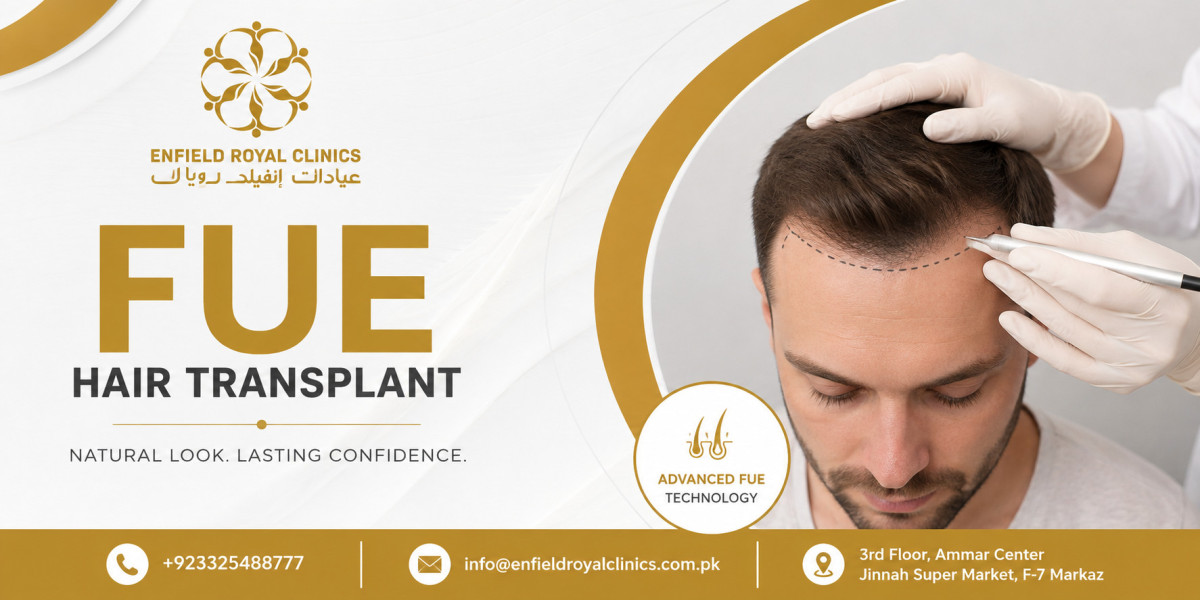

Hair restoration has become more advanced than ever, and the FUE Hair Transplant is now one of the most popular procedures for treating hair loss. It is known for delivering natural-looking results, minimal scarring, and a quicker recovery compared to older transplant techniques. While the procedure itself is an important step, understanding the recovery process is equally essential for achieving the best outcome.
Many patients ask how long it takes to recover after a hair transplant. The answer varies from person to person, but most individuals recover from the initial healing phase within one to two weeks. However, complete hair growth takes several months as the transplanted follicles gradually develop.
This article explains each stage of recovery, what to expect during healing, and how proper aftercare can support long-lasting results.
Understanding the FUE Hair Transplant Procedure
A FUE Hair Transplant involves extracting individual hair follicles from a donor area, usually the back or sides of the scalp, and transplanting them into areas affected by hair thinning or baldness.
Since each follicle is removed separately using specialized instruments, the procedure is minimally invasive. Unlike traditional strip methods, FUE does not require a large incision or stitches, which contributes to a faster and more comfortable recovery.
What Happens Immediately After the Procedure?
Once the procedure is completed, patients can usually return home on the same day.
The treated areas may show mild signs of surgery, including:
- Redness
- Minor swelling
- Small scabs
- Mild tenderness
These symptoms are a normal part of the healing process and usually improve within a few days.
Your surgeon will provide detailed aftercare instructions to protect the newly transplanted follicles during this important stage.
Recovery Timeline
Healing after a hair transplant occurs gradually. Although every patient heals differently, the following timeline provides a general idea of what to expect.
First 24 to 48 Hours
During the first two days, the scalp is at its most sensitive.
Patients may notice:
- Mild discomfort
- Tightness
- Swelling around the forehead
- Tiny blood spots near the grafts
It is important to rest and avoid touching the transplanted area during this time.
Days Three to Seven
Small protective scabs begin forming around each transplanted follicle.
These scabs help protect the grafts while healing takes place.
Swelling usually starts to decrease, and most patients begin feeling more comfortable.
Many individuals can return to office work within a few days, depending on the nature of their job.
One to Two Weeks
By the end of the second week:
- Most scabs naturally fall off.
- Redness continues to improve.
- The donor area heals significantly.
- Normal daily activities can usually be resumed.
Patients should avoid picking at the scabs, as doing so may damage newly implanted follicles.
One Month
Around the first month, many transplanted hairs begin shedding.
This stage, known as shock shedding, is completely normal.
Although the hairs fall out, the transplanted follicles remain beneath the skin and prepare for new growth.
Three to Four Months
New hair begins emerging from the transplanted follicles.
Growth is usually fine and soft at first but gradually becomes thicker over time.
Six to Nine Months
Hair density continues improving, and the transplanted hair blends more naturally with existing hair.
Most patients notice a significant improvement in their overall appearance during this stage.
Twelve to Eighteen Months
Final results are typically visible within one year, although some patients continue noticing improvements for up to eighteen months.
The transplanted hair can then be washed, cut, and styled just like natural hair.
Factors That Affect Recovery
Recovery time varies from one person to another.
Several factors influence the healing process.
Overall Health
Healthy individuals generally recover more quickly than those with certain medical conditions.
A balanced diet and good general health support tissue repair and hair growth.
Number of Grafts
Larger procedures involving more grafts may require slightly longer healing because a greater area of the scalp has been treated.
Following Aftercare Instructions
Patients who carefully follow their surgeon's advice usually experience smoother recovery and better graft survival.
Surgical Technique
An experienced specialist using modern equipment can minimize tissue trauma and promote faster healing.
Aftercare Tips for Faster Healing
Proper aftercare is essential for protecting the transplanted follicles.
Helpful recommendations include:
- Sleep with your head elevated for the first few nights.
- Avoid scratching or rubbing the scalp.
- Wash your hair only according to your doctor's instructions.
- Stay away from strenuous exercise for several days.
- Avoid swimming until your surgeon approves.
- Protect your scalp from direct sunlight.
- Take prescribed medications exactly as directed.
These precautions help reduce complications and support healthy graft growth.
What Activities Should Be Avoided?
During the early recovery period, certain activities should be limited.
These include:
- Heavy lifting
- Intense workouts
- Smoking if advised by your doctor
- Alcohol consumption during the first few days
- Wearing tight hats or helmets
- Using harsh hair products
Avoiding these activities helps protect the healing scalp and transplanted follicles.
Common Side Effects During Recovery
Most side effects are temporary and improve without additional treatment.
Patients may experience:
- Mild itching
- Temporary numbness
- Redness
- Swelling
- Small scabs
- Minor tenderness
These symptoms are generally considered normal and gradually disappear as healing progresses.
When Should You Contact Your Doctor?
Although complications are uncommon, you should contact your healthcare provider if you notice:
- Severe pain
- Increasing swelling after several days
- Fever
- Excessive bleeding
- Pus or unusual discharge
- Persistent redness that worsens instead of improving
Early medical attention helps prevent more serious problems and ensures proper healing.
Tips for Long-Term Success
Recovery does not end when the scalp heals.
To maintain healthy hair growth:
- Eat a nutritious diet rich in protein and vitamins.
- Manage stress effectively.
- Use gentle hair care products.
- Attend follow-up appointments.
- Follow any maintenance recommendations provided by your specialist.
Healthy habits support both transplanted and existing hair over the long term.
Conclusion
The recovery time after a FUE Hair Transplant is generally short, with most patients returning to their normal routine within one to two weeks. While the scalp heals relatively quickly, new hair growth develops gradually over several months, with final results usually visible after 12 to 18 months. Following your surgeon's aftercare instructions, maintaining a healthy lifestyle, and being patient throughout the healing process are essential for achieving the best possible outcome. With proper care, a FUE Hair Transplant can provide natural-looking, long-lasting hair restoration and renewed confidence.