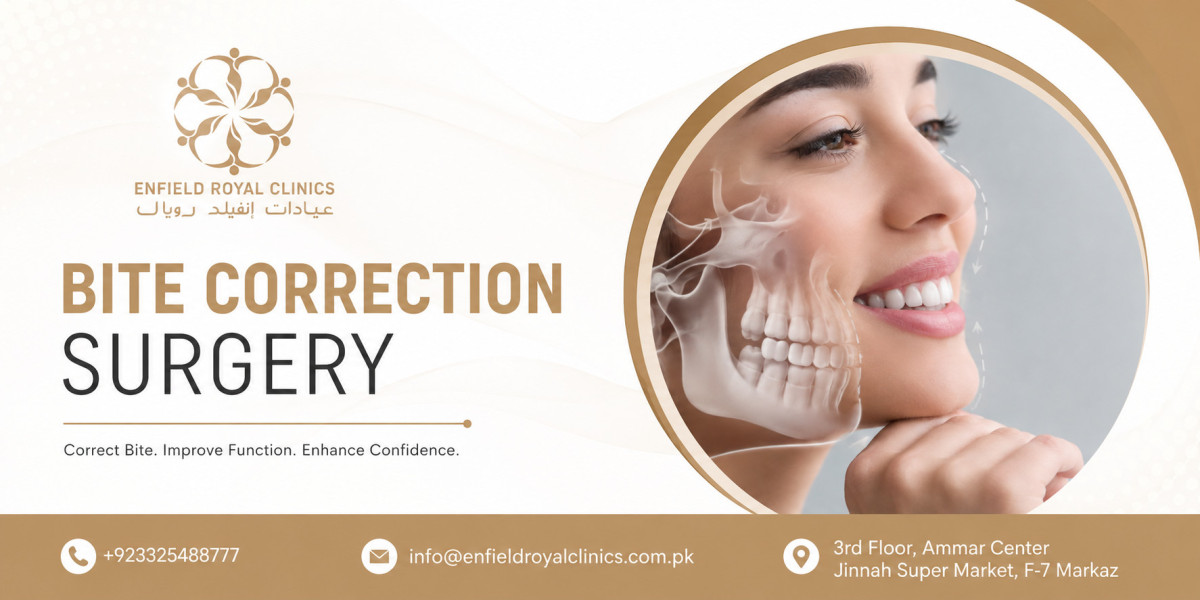

The idea of undergoing jaw surgery can naturally make patients concerned about pain and recovery. When someone is considering Bite Correction Surgery, one of the most common questions is whether the procedure will be painful and how long discomfort may last. Understanding what happens before, during, and after surgery can make the treatment process easier to prepare for.
Bite Correction Surgery is performed to correct significant jaw-related bite problems. Because it is a surgical procedure involving the jawbones, some discomfort and swelling are expected during recovery. However, the surgery itself is performed under anesthesia, and pain management is an important part of postoperative care.
Does Bite Correction Surgery Hurt During the Procedure?
Patients generally do not feel the surgical procedure itself because anesthesia is used. Depending on the treatment plan and clinical circumstances, the surgical team determines the appropriate type of anesthesia.
During the operation, the surgeon works carefully to reposition the jaw according to the pre-planned treatment. Patients are monitored throughout the procedure by the medical team.
Therefore, the main discomfort associated with Bite Correction Surgery usually occurs during the recovery period rather than during the operation itself.
What Does the Recovery Feel Like?
After surgery, patients may experience swelling, tenderness, jaw stiffness, and general discomfort. These symptoms are normal parts of the healing process and usually become more manageable as recovery progresses.
The level of discomfort varies from person to person. The type and extent of surgery, individual pain tolerance, healing response, and overall health can all influence the recovery experience.
Patients are normally given postoperative instructions to help manage discomfort and support proper healing.
Is Swelling Normal After Surgery?
Swelling is one of the most noticeable effects after Bite Correction Surgery. It can make the face feel tight or uncomfortable and may temporarily affect facial appearance.
Swelling is generally more noticeable during the early recovery period and gradually decreases. Bruising can also occur in some patients.
Following the surgical team's instructions regarding rest, medication, diet, and activity can support the recovery process. Patients should not become alarmed by temporary swelling unless they experience symptoms that their medical team has specifically advised them to report.
How Is Pain Managed?
Pain management is usually planned before the patient leaves the surgical facility. The surgeon may prescribe appropriate medication based on the patient's individual needs.
Taking medication exactly as directed can help keep discomfort under control. Patients should not take additional medicines without discussing them with their healthcare provider, particularly if they are already taking prescribed medication.
Other recovery instructions may include maintaining adequate hydration, following dietary recommendations, and avoiding activities that could interfere with healing.
What Can Make Recovery More Comfortable?
Several simple measures can help patients manage the early recovery period after Bite Correction Surgery.
Follow Dietary Instructions
Chewing may be difficult during the early stages of recovery. A soft or modified diet may therefore be recommended. Following the recommended diet can reduce unnecessary pressure on the healing jaw.
Get Enough Rest
The body needs energy to heal after major surgery. Adequate rest can support recovery and help patients gradually return to normal activities.
Maintain Oral Hygiene
Keeping the mouth clean is important after jaw surgery. The surgical team will provide instructions about appropriate oral hygiene methods during recovery.
Attend Follow-Up Appointments
Follow-up visits allow the healthcare team to monitor healing, bite alignment, and other aspects of recovery. Patients should attend these appointments even if they feel that recovery is progressing well.
How Long Does the Discomfort Last?
Discomfort is generally more noticeable during the early recovery period and gradually improves. However, every patient heals differently.
Some people may feel significantly better within a few weeks, while others may require more time before they feel completely comfortable. Bone healing continues beyond the initial recovery period, so patients should avoid rushing back into strenuous activities.
The surgical team can provide a more individualized estimate based on the specific procedure performed.
Is Bite Correction Surgery More Uncomfortable Than Braces?
Braces and clear aligners can cause temporary pressure, tenderness, or irritation, but jaw surgery involves a significantly more extensive treatment process.
Because Bite Correction Surgery involves repositioning the jawbones, recovery generally requires more preparation and patience than routine orthodontic treatment.
However, comparing pain between treatments is not always useful because they serve different purposes. Braces primarily move teeth, while corrective jaw surgery addresses significant skeletal alignment problems.
What Other Symptoms Can Occur?
Pain is not the only symptom patients may notice after surgery. Temporary effects can include:
- Facial swelling
- Bruising
- Jaw stiffness
- Difficulty chewing
- Temporary changes in sensation
- Reduced mouth opening
- Tiredness
- A modified diet during early healing
These effects vary depending on the procedure and the individual. Patients should contact their surgical team if they experience unexpected or worsening symptoms.
Can the Surgery Be Worth the Recovery?
For patients with significant jaw-related bite problems, the potential functional benefits may make the recovery worthwhile. Correcting the relationship between the jaws can improve bite function and, in appropriate cases, facial balance.
The decision should be based on the patient's specific condition rather than fear of temporary discomfort. A qualified specialist can explain the expected benefits, risks, alternatives, and recovery requirements before treatment.
How Can You Prepare for Recovery?
Good preparation can make the recovery period easier. Before Bite Correction Surgery, patients should understand their postoperative instructions, arrange appropriate support at home, prepare recommended foods, and organize follow-up appointments.
It is also important to discuss existing medications, medical conditions, allergies, and any concerns about pain management with the surgical team before the procedure.
Knowing what to expect can reduce anxiety and help patients focus on recovery.
Final Thoughts
So, is Bite Correction Surgery painful? The procedure itself is performed under anesthesia, so patients generally do not experience surgical pain during the operation. Some discomfort, swelling, stiffness, and tenderness are expected afterward, but pain management and proper postoperative care can help make recovery more manageable.
Every patient has a different recovery experience. A qualified dental and surgical team can provide personalized information about expected discomfort and explain how to safely manage recovery.
For more information visit Enfield royal clinic in islamabad