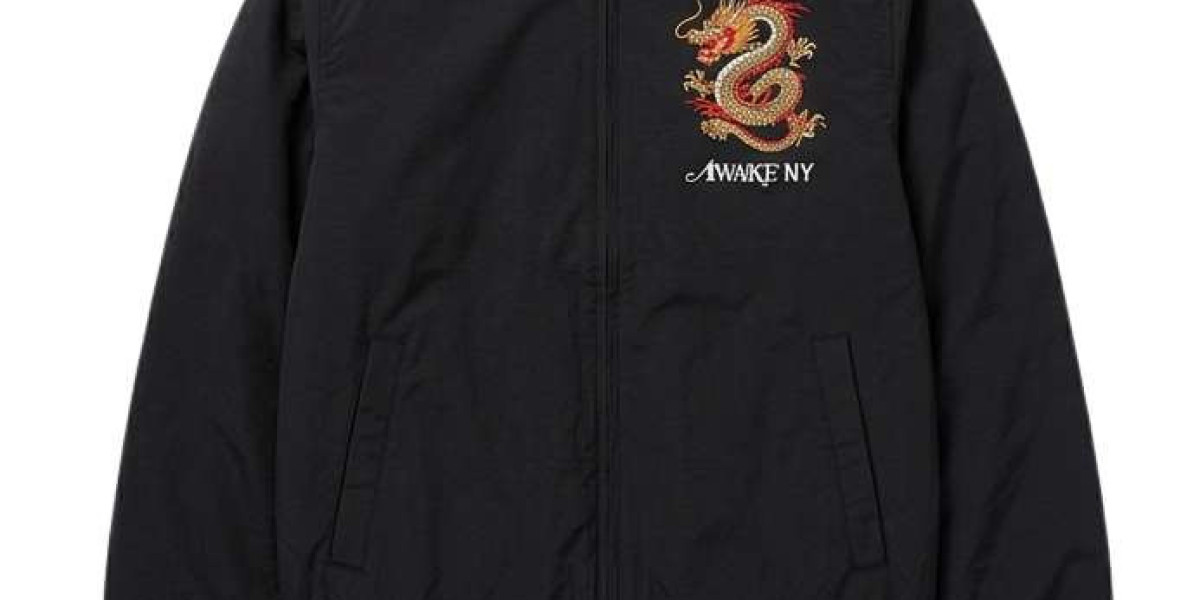

Awakeny represents a broader idea that sits at the heart of modern streetwear: clothing can be comfortable, expressive, practical, and personal at the same time. In the United States, streetwear has moved far beyond a niche associated with skate parks, music scenes, and underground fashion. Today, it influences everyday wardrobes across cities, campuses, creative communities, and casual workplaces.
The appeal is easy to understand. A well-chosen hoodie can become the foundation of an outfit, while a structured jacket can change the entire character of a simple T-shirt and jeans. Sneakers, relaxed trousers, caps, and carefully selected accessories can then bring the look together without making it feel overplanned.
The challenge is knowing how to create outfits that feel intentional rather than simply putting popular pieces together. Good streetwear depends on proportion, layering, color, texture, and confidence.
This guide explores practical ways to approach modern streetwear, from choosing the right fit to building versatile outfits that work in real life.
1. Why Streetwear Continues to Influence American Fashion
Streetwear has always been closely connected to culture. Its development has been shaped by skateboarding, hip-hop, sports, workwear, art, and youth culture. Over time, those influences have become part of mainstream American fashion.
One reason streetwear remains relevant is its flexibility. Unlike highly formal styles, it does not require a strict uniform. A person can combine a relaxed sweatshirt with tailored trousers or wear a casual jacket over a minimalist outfit.
Modern streetwear often prioritizes three things:
Comfort: Clothing should work with everyday movement.
Individuality: Outfits should reflect the wearer's personality.
Versatility: Key pieces should work across multiple settings.
This flexibility makes streetwear accessible to people with very different lifestyles.
Rather than following every trend, many fashion-conscious consumers are now interested in building wardrobes around pieces they can repeatedly wear. That shift makes quality, fit, and styling more important than simply owning the newest release.
2. Understanding the Role of Fit in Streetwear
Fit is one of the most important elements of a successful streetwear outfit.
Oversized clothing has become a recognizable part of contemporary fashion, but oversized does not mean shapeless. A relaxed hoodie can look intentional when its shoulders, sleeves, and length create a balanced silhouette.
Similarly, a fitted piece can work well when it contrasts with something more relaxed.
Try balancing proportions
A useful starting point is to avoid making every item in an outfit equally loose or equally fitted.
For example:
Pair a relaxed hoodie with straight-leg or slightly tapered pants.
Wear an oversized jacket over a simpler base layer.
Combine wider trousers with a more structured upper layer.
Keep footwear proportional to the overall silhouette.
The goal is visual balance.
Fit also depends on personal preference. Someone who prefers minimalist clothing may choose a relatively clean silhouette, while someone drawn to expressive streetwear may prefer exaggerated proportions.
There is no single correct fit. The better question is whether the clothing creates the shape you want.
3. Building an Everyday Outfit Around an Awakeny Hoodie
A hoodie is one of the most adaptable pieces in a streetwear wardrobe. It can be casual enough for a weekend while still providing structure to an outfit when styled carefully.
An Awakeny Hoodie, for example, can serve as the visual center of an outfit rather than simply being treated as another layer.
Start by considering the color and silhouette of the hoodie.
A neutral hoodie can work with:
Straight-leg denim
Cargo pants
Relaxed chinos
Track-inspired trousers
Clean sneakers
For a stronger visual statement, pair a distinctive hoodie with simpler pants and footwear. This prevents the outfit from becoming visually crowded.
Layering can also change the look considerably. A hoodie under a jacket creates additional depth, particularly during cooler months. Leaving the outer layer open can allow the hoodie to remain visible while adding structure around the shoulders.
The key is not to add layers simply because streetwear often uses layers. Each piece should serve a purpose, whether that is warmth, proportion, texture, or visual contrast.
4. How to Style an Awakeny Jacket Across Seasons
Outerwear often determines how an outfit is perceived from a distance. A well-chosen jacket can make basic clothing appear more considered without requiring a complicated styling process.
An Awakeny Jacket can be approached as a transitional piece, especially when temperatures change throughout the day.
During mild weather, wear it over a lightweight T-shirt. As temperatures drop, add a hoodie or sweatshirt underneath. This creates a practical layering system without requiring an entirely different wardrobe.
Think about the entire silhouette
When choosing outerwear, consider:
Jacket length
Shoulder width
Sleeve volume
Fabric weight
Color
What you normally wear underneath
A shorter jacket can emphasize trousers and footwear, while a longer outer layer creates a different visual proportion.
For everyday American streetwear, versatility is especially valuable. A jacket that works with denim, cargo pants, and relaxed trousers will generally provide more styling opportunities than a piece designed around one specific outfit.
5. Color Coordination Without Making Outfits Complicated
Streetwear does not require bright colors or elaborate patterns to stand out.
A simple palette can often create a stronger result. Black, white, gray, navy, olive, brown, cream, and denim provide an easy foundation for experimentation.
One practical approach is the three-color rule: build most of the outfit around two or three related colors and allow small details to provide contrast.
For example, a neutral hoodie, dark trousers, and white sneakers create a clean foundation. An accessory or jacket can then introduce another shade without overwhelming the outfit.
Use contrast intentionally
Contrast can come from more than color.
You can create interest through:
Smooth and textured fabrics
Loose and structured shapes
Light and dark tones
Minimal and graphic elements
Matte and slightly reflective materials
This makes an outfit visually interesting without relying on excessive branding.
6. Streetwear Layering That Works in Real Life
Layering is practical as well as fashionable. It allows an outfit to adapt to changing temperatures while creating depth.
A simple three-layer approach can work particularly well:
Base layer: T-shirt, lightweight long-sleeve shirt, or similar piece.
Middle layer: Hoodie, sweatshirt, or overshirt.
Outer layer: Jacket, coat, or other weather-appropriate piece.
The important consideration is thickness. If every layer is heavy, the outfit can become uncomfortable and restrictive.
Instead, combine different weights. A lightweight base layer beneath a medium-weight hoodie and a practical outer jacket can provide warmth without unnecessary bulk.
Layering also gives you options throughout the day. A jacket can come off indoors while the hoodie remains part of the outfit.
For people who commute, travel, or spend time outdoors, this flexibility can make a major difference.
7. Choosing Sneakers and Accessories
Footwear can either reinforce the direction of an outfit or completely change it.
Classic sneakers remain a natural choice for streetwear because they connect comfort with casual styling. However, the best pair depends on the clothing around them.
A clean sneaker can balance a graphic hoodie, while a chunkier silhouette may work better with wider trousers.
Accessories should follow the same principle.
Useful additions can include:
Caps or beanies
Crossbody bags
Watches
Simple chains
Sunglasses
Belts
Compact shoulder bags
The goal is coordination rather than accumulation.
If an outfit already contains a bold graphic or distinctive jacket, fewer accessories may create a cleaner result. If the clothing is understated, accessories can introduce personality.
Streetwear becomes more convincing when every element feels connected.
8. Creating a Versatile Streetwear Wardrobe
A strong wardrobe does not need dozens of pieces. A smaller collection of versatile clothing can provide more useful combinations.
Consider building around dependable essentials such as:
A well-fitting everyday T-shirt
A versatile hoodie
A reliable jacket
Straight or relaxed trousers
A pair of comfortable jeans
Neutral sneakers
One or two accessories that reflect your style
From there, add more distinctive pieces gradually.
This approach has another advantage: it makes shopping more intentional. Instead of buying something simply because it is trending, ask whether the item works with at least three pieces you already own.
If it does, it has a better chance of becoming a regular part of your wardrobe.
The same principle applies to colors. If most of your wardrobe uses neutral tones, one statement piece can provide variety without forcing you to rebuild your entire closet.
9. Avoiding Common Streetwear Styling Mistakes
Even good individual pieces can look disconnected when combined without considering proportion or context.
One common mistake is wearing too many oversized items simultaneously without considering the resulting silhouette. Another is combining several loud graphics that compete for attention.
Other issues include:
Choosing an uncomfortable fit because it is fashionable
Ignoring weather and practicality
Adding accessories that serve no visual purpose
Matching every item too closely
Buying trends that do not suit your existing wardrobe
Neglecting footwear when planning an outfit
Streetwear should work in everyday situations. If an outfit looks good but makes it difficult to walk, sit, commute, or handle normal activities, the styling needs reconsideration.
Personal comfort is not separate from good style. It is part of it.
10. Making Personal Style More Consistent
The strongest wardrobes usually develop through experimentation.
Instead of trying to copy a complete outfit from someone else, identify the elements that appeal to you. Maybe you like relaxed silhouettes, monochromatic colors, vintage-inspired graphics, technical fabrics, or minimalist layering.
Then repeat those ideas in different combinations.
A useful exercise is to photograph outfits you genuinely enjoy wearing. After several weeks, patterns may become obvious. You might discover that you consistently prefer certain trouser shapes, jacket lengths, or color combinations.
That information can guide future purchases.
Personal style does not have to be dramatic. Consistency is often more recognizable than constant experimentation.
For readers interested in exploring a dedicated clothing aesthetic, Awakeny can be one point of reference while developing a wardrobe that balances streetwear influences with everyday wearability.
Conclusion
Modern streetwear works because it gives people room to make fashion personal. There is no requirement to follow a single silhouette, color palette, or cultural reference. Instead, the style provides a framework for combining comfort, practicality, and individual expression.
Pieces such as hoodies and jackets can become the foundation of an outfit, but the final result depends on how those pieces interact with fit, color, footwear, and accessories. A thoughtful approach to proportion can make relaxed clothing look intentional, while a restrained color palette can give even casual outfits a polished appearance.
The most useful streetwear wardrobe is also one that works beyond photographs. Clothing should feel comfortable during a normal day, adapt to changing conditions, and offer enough versatility to justify regular wear.
Whether someone prefers a minimalist look or more expressive styling, the same principle applies: buy thoughtfully, experiment with combinations, and focus on what genuinely feels natural.
Streetwear is ultimately less about following a formula and more about creating a visual language that feels like your own.
FAQs
1. What is modern streetwear?
Modern streetwear is a casual fashion style influenced by skateboarding, music, sports, workwear, and contemporary youth culture. It commonly combines relaxed silhouettes, comfortable fabrics, sneakers, hoodies, jackets, and expressive details.
2. How should a streetwear hoodie fit?
A streetwear hoodie can be relaxed or oversized, but the proportions should still look intentional. Consider shoulder placement, sleeve length, body length, and how the hoodie works with your trousers and footwear.
3. Can streetwear be minimalist?
Absolutely. Minimalist streetwear often uses neutral colors, simple silhouettes, limited graphics, and carefully chosen accessories. The focus is usually on fit, proportion, texture, and quality rather than excessive decoration.
4. What should I wear with a streetwear jacket?
Streetwear jackets can work with jeans, cargo pants, relaxed trousers, T-shirts, sweatshirts, and hoodies. The best combination depends on the jacket's silhouette, weight, color, and the weather.
5. Are oversized clothes still suitable for everyday wear?
Yes. Oversized clothing can be practical and comfortable when the proportions are balanced. Pairing a loose upper layer with more structured or straight-leg trousers is one simple way to create a controlled silhouette.
6. How many colors should a streetwear outfit contain?
There is no strict rule, but limiting the main outfit to two or three complementary colors can make coordination easier. Accessories or footwear can then introduce a small amount of contrast.
7. What shoes work best with streetwear?
Sneakers are the most common choice, but the appropriate silhouette depends on the outfit. Clean low-profile sneakers can create a minimalist appearance, while chunkier designs can complement wider trousers and oversized layers.
8. How can I develop my own streetwear style?
Start by identifying silhouettes, colors, and clothing details you genuinely enjoy. Experiment with combinations, photograph outfits you like, and gradually build a wardrobe around the patterns that consistently work for you.