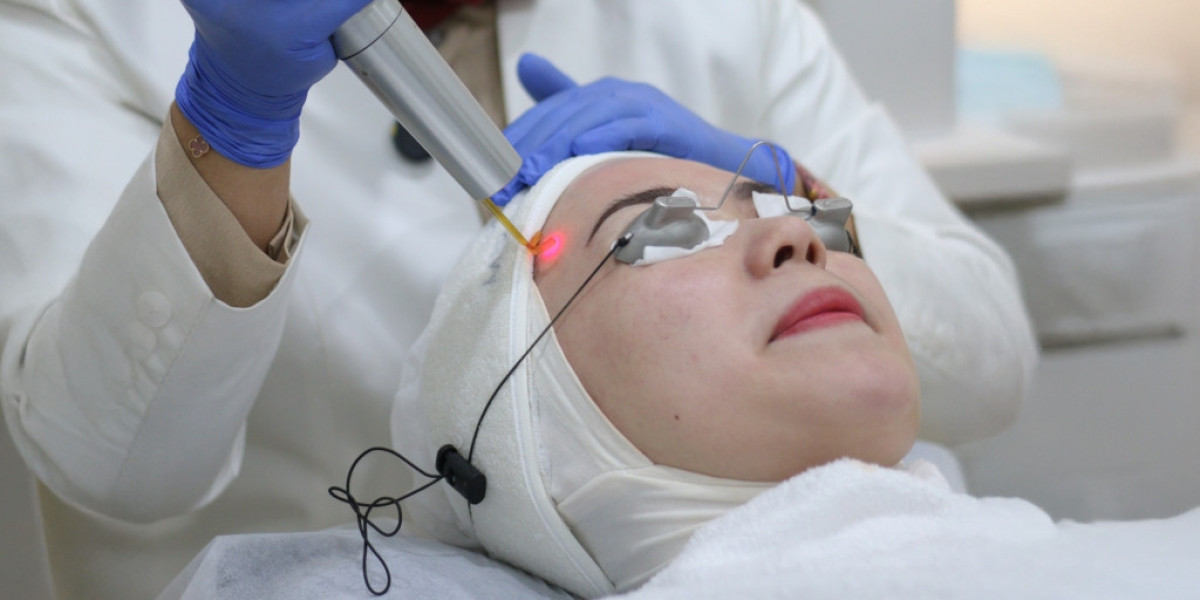

Clear, even-toned, and youthful-looking skin is a common skincare goal for people in Pakistan. However, concerns such as pigmentation, acne scars, uneven skin tone, sun damage, and dullness can sometimes remain despite regular skincare. PICO Laser Treatment In Islamabad is a modern laser-based procedure that uses extremely short pulses of energy to target specific skin concerns while supporting skin rejuvenation.
Picosecond lasers were initially developed for tattoo removal, but their applications have expanded to include pigmentation, photodamage, melasma, acne scarring, and skin rejuvenation. Research suggests that results can vary depending on the condition being treated, the laser wavelength, and the patient's skin type.
What Is PICO Laser Treatment?
PICO laser treatment uses picosecond-duration laser pulses. These pulses deliver energy to targeted areas of the skin in an extremely short time. Depending on the device and treatment settings, the energy can interact with pigmentation or stimulate processes involved in skin remodeling.
Unlike some traditional resurfacing lasers that rely more heavily on heat, picosecond technology can use photoacoustic effects to target concerns with comparatively limited thermal damage. This makes it an option worth discussing for people seeking improvement in pigmentation, texture, and certain types of acne scarring.
Which Skin Concerns Can PICO Laser Address?
PICO laser treatment may be considered for several common skin concerns.
Pigmentation and Dark Spots
Sun exposure, post-acne marks, and other causes can lead to unwanted pigmentation. Picosecond lasers can target certain pigmented lesions and discoloration. However, pigmentation disorders such as melasma can be complex and may require a carefully planned treatment approach.
Acne Scars
Acne scars are another area where fractional picosecond lasers have been studied. Clinical research has reported improvements in atrophic acne scars and skin texture after a series of treatments. A meta-analysis found fractional picosecond lasers to have comparable clinical improvement to other fractional lasers, with lower pain and post-inflammatory hyperpigmentation in the studies reviewed.
Uneven Skin Texture
Some PICO laser systems use fractional technology to create controlled microscopic treatment zones. This can encourage remodeling of collagen and other components within the skin, potentially improving uneven texture over time.
Dull or Sun-Damaged Skin
PICO technology has also been investigated for photoaging and skin rejuvenation. Depending on the patient's concern and the selected treatment settings, it may help improve the overall appearance of sun-damaged or uneven-looking skin.
Is PICO Laser Suitable for Pakistani Skin?
Skin type is an important consideration before undergoing laser treatment. Many Pakistani patients have medium to darker skin tones, which can be more susceptible to post-inflammatory hyperpigmentation following certain laser procedures.
Encouragingly, studies have investigated fractional picosecond lasers in Asian and darker skin types. One study involving Fitzpatrick skin types III and IV reported improvement in atrophic acne scars, although temporary post-inflammatory hyperpigmentation occurred in some treatment sessions. More recent research has also reported promising outcomes using a 755-nm picosecond laser in Fitzpatrick skin types V and VI.
This does not mean every patient will have the same results. A qualified professional should assess your skin type, pigmentation, medications, previous treatments, and specific concern before choosing laser settings.
What Happens During PICO Laser Treatment?
Before treatment, the skin is assessed to determine the most appropriate approach. The treatment area is then cleansed, and protective measures are used to protect the eyes.
During the procedure, the laser device delivers short pulses to the selected area. Patients may experience a snapping or tingling sensation, although discomfort varies according to the treatment area and settings.
After treatment, mild redness, swelling, warmth, or sensitivity may occur temporarily. Your skincare professional may recommend gentle skincare and strict sun protection during recovery.
How Many Sessions Are Needed?
The number of sessions depends on the skin concern, its severity, the selected laser technology, and individual response. Some concerns may require several sessions spaced apart rather than a single treatment.
Acne-scar studies, for example, have commonly evaluated multiple sessions, with improvements becoming more noticeable over time as skin remodeling continues.
Who May Not Be an Ideal Candidate?
PICO laser is not automatically suitable for everyone. A professional assessment is particularly important if you have an active skin infection, significant irritation, a tendency toward abnormal scarring, recent intense sun exposure, or certain medications or skin conditions.
Pregnancy, recent cosmetic procedures, and the use of particular medications may also affect treatment planning. Always disclose your medical and skincare history before undergoing a laser procedure.
FAQs About PICO Laser Treatment
Is PICO laser painful?
Most patients describe the sensation as mild snapping, warmth, or tingling. Discomfort varies depending on the treatment area and laser settings.
Can PICO laser remove acne scars completely?
PICO laser may improve the appearance and texture of certain acne scars, but complete removal cannot be guaranteed. Research supports improvement in atrophic acne scars following fractional picosecond treatment.
Is PICO laser safe for darker skin?
It can be used in some darker skin types when appropriate settings and precautions are selected. However, pigmentation changes remain possible, so an individual assessment is important.
How long does it take to see PICO laser results?
Results depend on the condition being treated. Some changes may appear after initial treatment, while improvements in texture and acne scars can develop gradually over several weeks or multiple sessions.
Can PICO laser treat pigmentation?
Yes, picosecond lasers have been studied for various pigmentary conditions and benign pigmented lesions. However, the correct diagnosis is important because different types of pigmentation require different treatment strategies.
Final Thoughts
PICO laser can be a useful option for people dealing with pigmentation, acne scars, uneven texture, and signs of photodamage. However, it is not a universal solution for every skin concern. The most appropriate treatment depends on your skin type, condition, treatment goals, and the technology available. For patients considering PICO Laser Treatment In Islamabad, a professional skin assessment is the best starting point for determining whether the procedure is appropriate and what results can realistically be expected