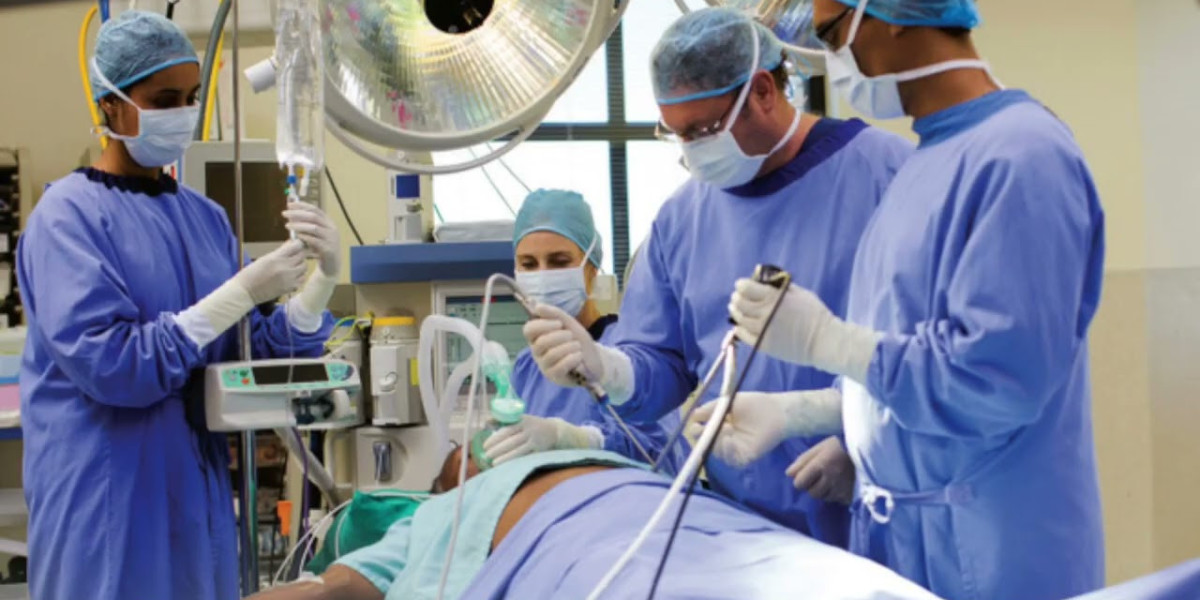

Laparoscopic Surgery in Islamabad, often called keyhole surgery, is a minimally invasive approach used for diagnosing and treating several conditions affecting the abdomen and pelvis. Unlike traditional open surgery, which usually requires a larger incision, laparoscopic procedures are performed through small cuts using a thin camera and specialized surgical instruments. This approach can reduce tissue trauma and may allow patients to recover more quickly.
What Is Laparoscopic Surgery?
Laparoscopic surgery involves making small incisions through which a laparoscope and surgical instruments are inserted. The laparoscope contains a camera that provides a magnified view of the internal organs on a monitor, allowing the surgeon to perform the required procedure without creating a large opening.
Depending on the condition, laparoscopic techniques may be used for procedures such as gallbladder removal, appendectomy, hernia repair, some gynecological surgeries, and certain gastrointestinal operations.
What Is Open Surgery?
Open surgery is the traditional surgical approach in which the surgeon makes a larger incision to directly access the affected organ or area. This provides broad access and visibility, which can be particularly important for complicated conditions, extensive disease, emergencies, or procedures that cannot be safely completed through minimally invasive techniques.
Although open surgery remains an important treatment option, the larger incision generally means more tissue disruption and can result in greater postoperative discomfort and a longer recovery compared with laparoscopic surgery when both approaches are appropriate.
Key Differences Between Laparoscopic and Open Surgery
The main difference is how the surgeon accesses the treatment area. Laparoscopic surgery generally uses several small incisions, while open surgery uses a larger incision.
Laparoscopic surgery may offer smaller scars, less postoperative pain, reduced blood loss, shorter hospital stays, and a faster return to normal activities. However, the benefits can vary depending on the procedure and the patient's overall health.
Open surgery can provide the surgeon with direct access to the surgical area and may be more appropriate for certain complex or emergency situations. In some cases, a procedure that begins laparoscopically may need to be converted to open surgery if the surgeon cannot safely complete it using the minimally invasive approach.
Benefits of Laparoscopic Surgery
One of the main reasons laparoscopic surgery is widely used is its minimally invasive nature. Smaller incisions generally cause less damage to surrounding tissues and may make postoperative recovery more comfortable.
Potential benefits include:
- Smaller surgical scars
- Less postoperative pain
- Reduced blood loss
- Lower risk of wound-related complications
- Shorter hospital stays
- Faster return to everyday activities
These advantages do not mean laparoscopic surgery is risk-free. It is still a surgical procedure and can involve complications such as bleeding, infection, injury to nearby organs or blood vessels, anesthesia-related problems, and blood clots.
Recovery After Laparoscopic Surgery
Recovery depends on the type of operation, the patient's health, and whether complications occur. Many patients can leave the hospital on the same day or the following day after certain laparoscopic procedures, although more complex operations may require a longer stay.
Patients may experience temporary abdominal discomfort, bloating, tiredness, or shoulder pain after laparoscopic surgery. Following wound-care instructions, staying active as advised, maintaining hydration, and attending follow-up appointments can support recovery.
Is Laparoscopic Surgery Better Than Open Surgery?
Neither approach is universally better. The appropriate method depends on the condition being treated, the complexity of the operation, previous surgeries, overall health, and the surgeon's assessment.
For many suitable procedures, laparoscopic surgery can provide the advantage of smaller incisions and faster recovery. However, open surgery may be safer or more effective when extensive access is required. The final decision should be made after a proper medical evaluation and discussion of the available options.
Frequently Asked Questions
Is laparoscopic surgery less painful than open surgery?
Laparoscopic surgery generally causes less postoperative pain because it uses smaller incisions and involves less tissue disruption. However, some discomfort is still expected during recovery.
How long does it take to recover from laparoscopic surgery?
Recovery varies according to the procedure. Some patients return to normal activities relatively quickly, while more complex laparoscopic operations can require several weeks for complete recovery.
Does laparoscopic surgery leave scars?
Yes. Laparoscopic surgery requires small incisions, so it usually leaves smaller scars than open surgery, although the scars may still be visible after healing.
Can laparoscopic surgery be changed to open surgery?
Yes. If the surgeon encounters difficulties or believes that continuing laparoscopically is unsafe, the operation may be converted to an open procedure.
Is laparoscopic surgery suitable for everyone?
No. Certain medical conditions, previous abdominal surgery, complex disease, or other factors may make open surgery more appropriate. A surgeon must assess each patient individually before recommending an approach.
Final Thoughts
Laparoscopic surgery has become an important minimally invasive option for many abdominal and pelvic procedures. Compared with open surgery, it can provide smaller incisions, less pain, shorter hospital stays, and quicker recovery for appropriately selected patients. However, open surgery remains essential for certain complex cases. If you are considering Laparoscopic Surgery in Islamabad, discuss your diagnosis, treatment options, potential benefits, and risks with a qualified surgical professional to determine which approach is most suitable for your individual needs.









