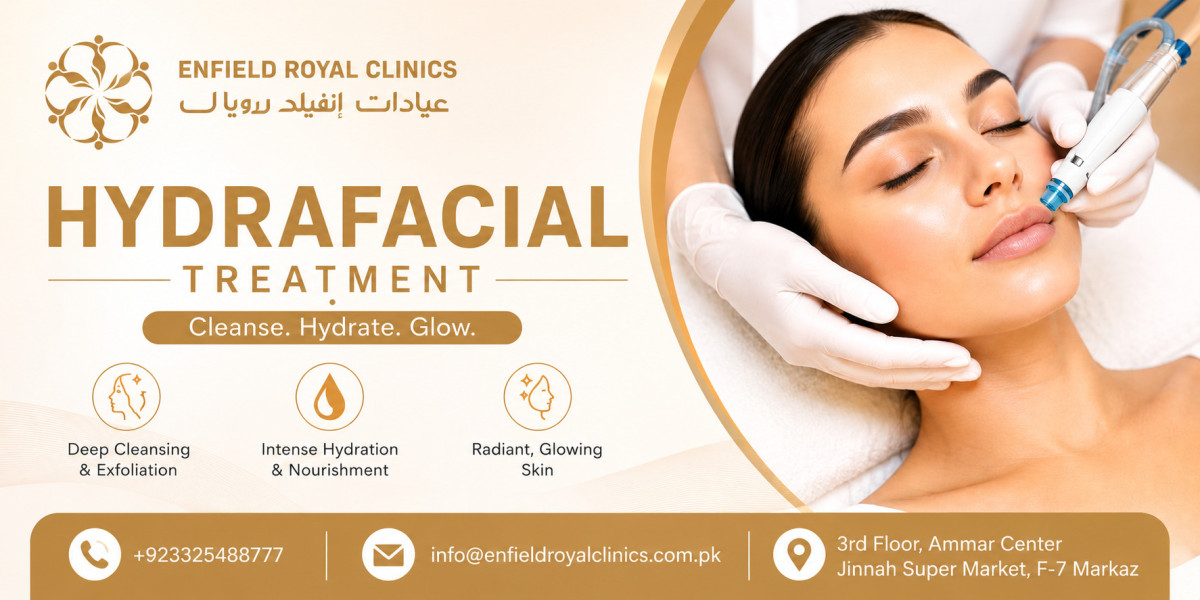

When considering a new facial treatment, one of the first concerns many people have is whether the procedure will hurt. Hydrafacial is a popular non-invasive skincare treatment that combines cleansing, exfoliation, extraction, and hydration. Unlike procedures that use needles or surgical instruments, it is generally designed to provide a comfortable treatment experience.
Most people describe Hydrafacial as gentle rather than painful. However, individual sensitivity can vary, and you may notice different sensations during each stage of the procedure. Knowing what to expect can make the experience more comfortable and help you prepare properly.
Does Hydrafacial Hurt?
For most people, Hydrafacial is not considered painful. The treatment uses a specialized device that moves across the surface of the skin while delivering solutions and performing controlled suction.
You may feel a light pressure, gentle pulling, or a cooling sensation during different parts of the procedure. These sensations are usually mild and temporary.
Unlike traditional manual extraction, which can sometimes involve noticeable pressure, Hydrafacial uses controlled suction to help remove impurities from pores. This can make the extraction process more comfortable for many people.
What Does Hydrafacial Feel Like?
The sensation can change depending on which stage of the treatment is being performed. During cleansing, you may simply feel the device gliding over your skin.
During exfoliation, the skin may experience a mild tingling sensation. The extraction stage can create a gentle suction feeling, particularly around areas with more congestion.
The final hydration stage is generally soothing. Hydrating solutions are applied to the skin, often leaving it feeling refreshed and moisturized.
Overall, the treatment should not feel intensely painful. If you experience significant discomfort, you should immediately tell the practitioner.
Is the Exfoliation Step Painful?
The exfoliation stage is designed to remove dead skin cells and surface buildup. It generally feels like a gentle polishing sensation rather than harsh scrubbing.
Some people may notice mild tingling, particularly if their skin is sensitive. The intensity can depend on the products used and the settings selected for your skin.
A trained practitioner can adjust the treatment to make it more comfortable, especially if you have sensitive or reactive skin.
Does Hydrafacial Extraction Hurt?
Extraction is often the stage people are most concerned about because traditional facial extractions can sometimes be uncomfortable.
Hydrafacial uses controlled suction rather than relying primarily on manual squeezing. This may help remove impurities from pores while reducing the need for forceful pressure.
You may feel a mild pulling or suction sensation during this stage. Areas with significant congestion may feel slightly more noticeable, but it should not be severely painful.
If the suction feels too strong, tell your practitioner so the settings can be adjusted.
Is Hydrafacial Suitable for Sensitive Skin?
Many people with sensitive skin may tolerate Hydrafacial, but sensitivity varies significantly between individuals.
The treatment can often be customized by adjusting the intensity and selecting appropriate solutions. However, active irritation, sunburn, open skin, or certain inflammatory conditions may make treatment unsuitable at that time.
Before your appointment, tell your practitioner if your skin reacts easily to cosmetic products or treatments. This allows them to choose an approach that is more appropriate for your skin.
Can Hydrafacial Cause Redness?
Although Hydrafacial is generally gentle, temporary redness can occur after treatment. This may be more noticeable in people with sensitive skin or after stronger extraction.
For many people, any mild redness settles relatively quickly. The skin may then look smoother, cleaner, and more hydrated.
If redness is severe, persistent, or accompanied by significant discomfort, contact the treatment provider for advice.
What Can Make Hydrafacial Feel Uncomfortable?
Several factors can influence how comfortable the treatment feels. These include your skin sensitivity, the intensity of the device settings, the condition of your skin, and the products used during the procedure.
Skin that is already irritated or damaged may be more sensitive. Recent use of strong exfoliating products can also affect how your skin responds.
Providing your practitioner with accurate information about your skincare routine and recent treatments can help them plan the procedure appropriately.
How Can You Make the Treatment More Comfortable?
A few simple steps can help create a more comfortable experience:
- Inform your practitioner about sensitive skin.
- Mention any allergies or product reactions.
- Tell them about active skincare ingredients you use.
- Avoid unnecessary harsh exfoliation before treatment.
- Follow pre-treatment instructions provided by the clinic.
- Communicate immediately if the suction or sensation feels uncomfortable.
There is no benefit to silently tolerating significant discomfort. A qualified practitioner can often modify the treatment settings when necessary.
Is There Downtime After Hydrafacial?
One of the reasons people choose Hydrafacial is that it generally involves minimal downtime. Many individuals can return to their normal activities after treatment.
Your skin may look slightly pink or feel more sensitive temporarily, particularly if you have reactive skin. Following aftercare recommendations can help maintain comfort.
Avoiding unnecessary irritation and protecting your skin from excessive sun exposure are important after exfoliating treatments.
Is Hydrafacial More Comfortable Than Traditional Facials?
Comfort depends on the individual and the type of facial being compared. Traditional facials may include manual exfoliation, steaming, or physical extraction, which some people find uncomfortable.
Hydrafacial uses specialized equipment to combine several treatment steps and controlled extraction. Many people appreciate the consistent and gentle sensation of the device.
However, comfort can vary depending on the practitioner's technique, equipment, and your skin condition.
When Should You Avoid Hydrafacial?
Although the treatment is suitable for many people, it may not be appropriate when the skin is significantly irritated or damaged. Active infections, open wounds, severe inflammation, or certain skin conditions may require treatment to be postponed.
People who have recently undergone other cosmetic procedures should also ask their provider when it is safe to receive Hydrafacial.
A consultation is particularly important if you have a medical skin condition or use prescription skincare products.
Final Thoughts
Hydrafacial is generally considered a comfortable, non-invasive treatment rather than a painful procedure. Most people experience sensations such as mild suction, tingling, cooling, or gentle pressure during different stages.
However, everyone's skin and sensitivity are different. A qualified practitioner can adjust the treatment to improve comfort and suitability.
If you are concerned about pain, discuss your expectations and skin sensitivity before the session. Understanding the procedure and communicating with your practitioner can help make your Hydrafacial experience comfortable and relaxing.
For more information visit Enfield royal clinic in islamabad