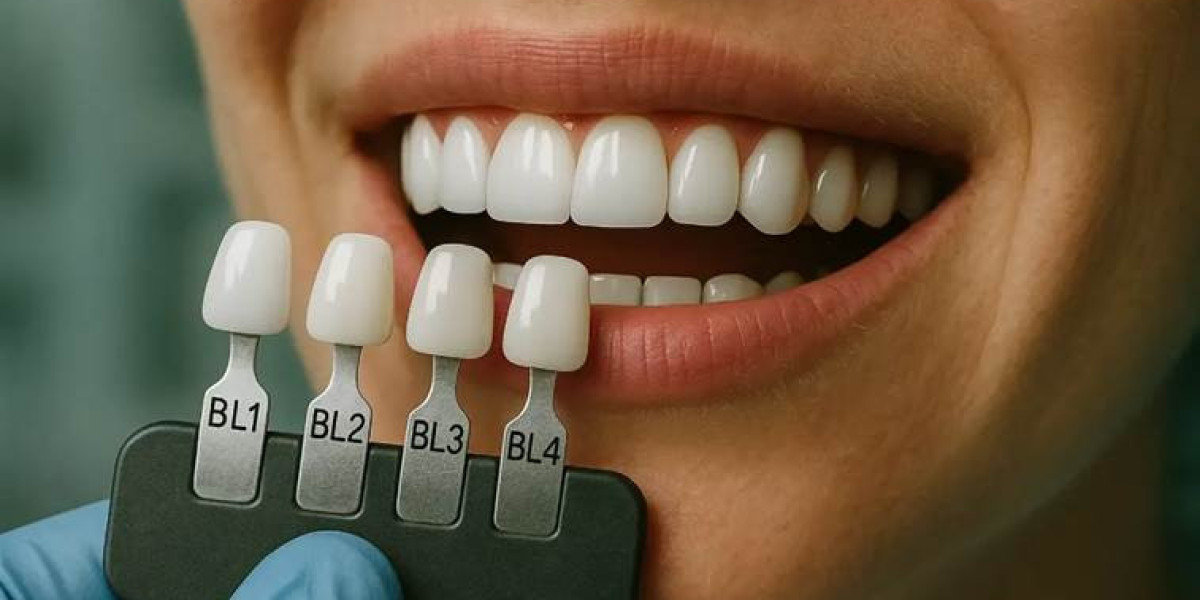

A confident smile can make a lasting impression, but stained, chipped, uneven, or slightly misshapen teeth can sometimes affect how people feel about their appearance. Dental veneers are a popular cosmetic dentistry option designed to improve the visible appearance of teeth while creating a more balanced smile. Dental Veneers in Islamabad are available in different materials and are customized according to the patient’s teeth, facial features, and smile goals. Before treatment, a dentist should evaluate overall oral health to determine whether veneers are appropriate.
What Are Dental Veneers?
Dental veneers are thin, tooth-colored shells that are bonded to the front surfaces of teeth. They are commonly made from porcelain or composite resin and can be used to improve the appearance of discolored, chipped, worn, uneven, or slightly irregular teeth.
Veneers are primarily a cosmetic treatment rather than a replacement for necessary dental care. Existing problems such as tooth decay or gum disease should generally be addressed before veneers are considered.
Benefits of Dental Veneers
Dental veneers can provide several aesthetic benefits when appropriately planned and placed by a qualified dentist. They can help:
- Improve the appearance of stained or discolored teeth
- Conceal minor chips and cracks
- Create a more uniform tooth shape
- Improve the appearance of small gaps
- Enhance smile symmetry
- Provide a natural-looking smile when properly color-matched
Porcelain veneers are also relatively resistant to staining compared with natural tooth enamel. With appropriate care, veneers can provide long-lasting cosmetic results, although they may eventually require replacement.
Dental Veneers Procedure
The veneer procedure usually begins with a consultation and dental examination. Your dentist assesses the condition of your teeth and gums and discusses your desired smile appearance. The shade, shape, and size of the veneers are then planned according to your individual needs.
For traditional porcelain veneers, a small amount of enamel may need to be removed from the tooth surface to create space for the veneer. The dentist may take dental impressions or use digital scanning technology to create a precise model.
Once the custom veneers are ready, the dentist checks their fit, shape, and color. After any necessary adjustments, the teeth are cleaned and the veneers are bonded to the teeth using dental cement. The dentist then checks the bite and makes final adjustments if needed.
Composite veneers follow a somewhat different process because the resin material can be applied and shaped directly onto the teeth before being hardened and polished.
Aftercare for Dental Veneers
Proper aftercare is important for maintaining both your veneers and the natural teeth underneath them. Brush at least twice daily using a soft-bristled toothbrush and fluoride toothpaste, and clean between your teeth every day. Regular dental examinations and professional cleanings are also important.
Avoid using your teeth to open packages or biting hard objects such as pens or fingernails. Hard foods may also put unnecessary stress on veneers. If you grind or clench your teeth, discuss protective options such as a night guard with your dentist.
Although porcelain veneers are stain resistant, limiting frequent exposure to heavily pigmented foods and drinks can help maintain their appearance. Your dentist can also recommend suitable oral-care products.
Are Dental Veneers Permanent?
Many traditional veneers require some removal of natural enamel and are therefore considered irreversible. Veneers can also chip, crack, loosen, or become damaged over time. They do not protect a tooth from cavities, so maintaining good oral hygiene remains essential.
The lifespan of veneers varies according to the material, oral habits, bite, and maintenance. Some clinical sources report that veneers can last around 5 to 15 years, with proper care potentially helping them remain functional for longer.
Who May Be Suitable for Dental Veneers?
Veneers may be considered by adults who have healthy teeth and gums but want to address cosmetic concerns such as discoloration, minor chips, uneven shapes, or small spaces. However, they are not suitable for everyone. Severe tooth damage, untreated decay, active gum disease, significant bite problems, or certain grinding habits may require other treatments first.
A personalized dental examination is the best way to determine whether veneers are appropriate.
Frequently Asked Questions
Are dental veneers painful?
The procedure is generally performed with appropriate dental anesthesia when needed. Some patients may experience temporary sensitivity after treatment, particularly when enamel has been prepared.
How long do dental veneers last?
Their lifespan depends on the material, oral hygiene, bite, and habits. With proper care, veneers can commonly last for several years, with some sources reporting approximately 5 to 15 years.
Can veneers stain?
Porcelain veneers are relatively stain resistant, although the surrounding natural teeth can still discolor. Maintaining good oral hygiene and moderating heavily pigmented foods and drinks can help maintain a consistent appearance.
Can I eat normally after getting veneers?
Generally, normal eating can resume once any dental anesthesia has completely worn off. However, it is advisable to avoid biting directly into very hard foods and objects that could damage the veneers.
Can veneers be removed?
Traditional veneers that require enamel removal are generally not reversible because the natural tooth structure has been altered. Your dentist should explain this before treatment so you can make an informed decision.
Final Thoughts
Dental veneers can be an effective cosmetic option for people who want to improve the color, shape, and overall appearance of their smile. However, successful treatment depends on proper dental assessment, careful planning, professional placement, and consistent aftercare. If you are considering Dental Veneers in Islamabad, consult a qualified dentist to discuss your oral health, expectations, suitable veneer material, and long-term maintenance requirements. Choosing professional dental care is particularly important because veneer placement can involve permanent changes to natural teeth.