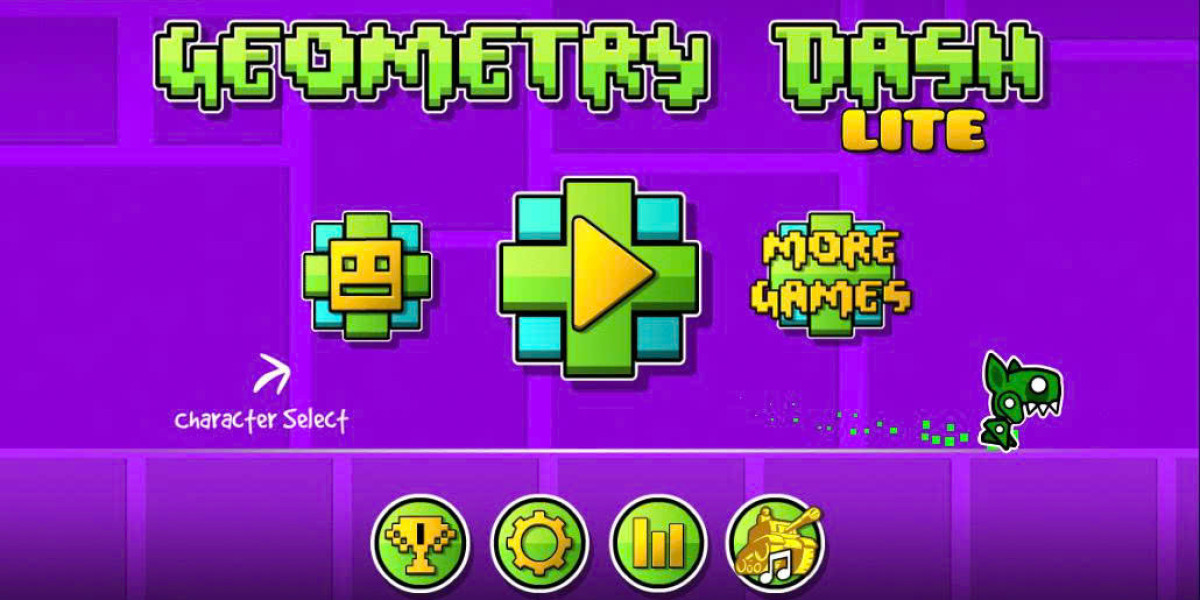

These deceptively simple-looking games have captured the attention of millions, and if you're curious about what all the fuss is about, you're in for a treat. Let's explore what makes these games tick and how you can get the most out of them.
The Charm of Simple Geometry
Geometry jump games strip away all the fancy graphics and complicated storylines you find in many modern games. What you're left with is pure, distilled challenge: a geometric shape—usually a square or cube—that you need to guide through an obstacle course without touching the walls, spikes, or hazards. The concept is so straightforward that anyone can pick up a controller and understand what they're supposed to do within seconds.
The beauty of this simplicity is that it creates an almost meditative experience. There's no narrative confusion, no menu navigation nightmare, and no complicated tutorials to work through. You see the level, you see the objective, and you go. This accessibility is part of why Geometry Dash has become such a cultural phenomenon in the gaming community—it welcomes newcomers while offering depth for players who want to invest serious time.
How Gameplay Actually Works
In most geometry jump games, your role is surprisingly limited. You have one main action: the jump. Tap the screen, press the spacebar, or click the mouse, and your geometric character launches into the air. Time this right, and you'll land safely on the next platform. Time it wrong, and you're starting over—often from the very beginning of the level.
This one-action limitation is what makes the experience so special. Every jump requires precise timing. The levels are carefully designed so that success depends entirely on your rhythm and reflexes. As you progress through a level, you'll encounter increasingly complex patterns: platforms that require quick successive jumps, gravity-defying sections where your character bounces between walls, and hazards that test whether you've been paying attention.
Geometry Dash exemplifies this perfectly. What starts as manageable jumps over simple gaps evolves into intricate sequences where you're bouncing off walls, navigating narrow passages, and reacting to sudden obstacles. The game respects your intelligence enough to introduce new mechanics gradually, so you never feel completely overwhelmed—just challenged enough to keep trying.
The best part? Each attempt lasts anywhere from seconds to a few minutes. This short feedback loop is addictive in the best way. You fail, you immediately understand what went wrong, and you can try again within moments. There's no long load time or punishment beyond restarting the level.
Practical Tips for Getting Better
Starting out in geometry jump games can feel frustrating, especially when you're dying repeatedly in the first thirty seconds. Here's the thing though: that's normal. Everyone starts there. Here are some ways to improve your game:
Learn the rhythm, not just the mechanics. These games are fundamentally about rhythm. Listen to the music if there is any—many levels are synchronized to audio cues. Even without music, try to find the beat of the level through the spacing of obstacles. Once you internalize the rhythm, your fingers will know when to jump almost automatically.
Take breaks when frustrated. If you've been attempting the same section for fifteen minutes and keep failing at the same spot, step away. Go grab water, stretch, or play something else for a bit. When you return with fresh eyes, you'll often complete that section on your first try. Your brain needs a reset.
Watch for patterns. Each level follows consistent patterns. The designers don't throw random obstacles at you—they establish a pattern, repeat it a few times, then introduce a variation. Once you recognize "oh, this section always has three quick jumps followed by a wall bounce," your success rate climbs significantly.
Practice patience. The worst thing you can do is rush. Many players fail because they're tapping frantically instead of timing their jumps deliberately. Slow down, breathe, and let the rhythm guide you. It sounds zen, but it works.
Accept that some levels are just hard. Not every difficulty level is for everyone, and that's fine. If you're stuck on a particularly brutal stage, there's no shame in attempting easier levels for a while. You'll improve through practice at any difficulty, then return to the hard ones later.
Why This Genre Endures
Geometry jump games have staying power because they understand something fundamental about human psychology: we love achievable challenges. They're hard enough to feel rewarding when you succeed, but not so impossible that you feel tempted to throw your device across the room. Well, usually.
These games also create a unique social dynamic. They're easy to explain to friends, easy to watch someone else play, and easy to compare progress on. This community aspect keeps players engaged beyond the point where they might otherwise move on to something new.
Your Next Jump Awaits
Whether you're brand new to the genre or you're returning after a break, geometry jump games offer something special: pure, distilled gameplay that respects your time and your skills. Pick up a geometry jump game, accept that you'll fail plenty, and enjoy the moment when everything clicks and you nail that impossible sequence. That feeling? That's why millions of players keep coming back.
The challenge is waiting. Ready to jump?