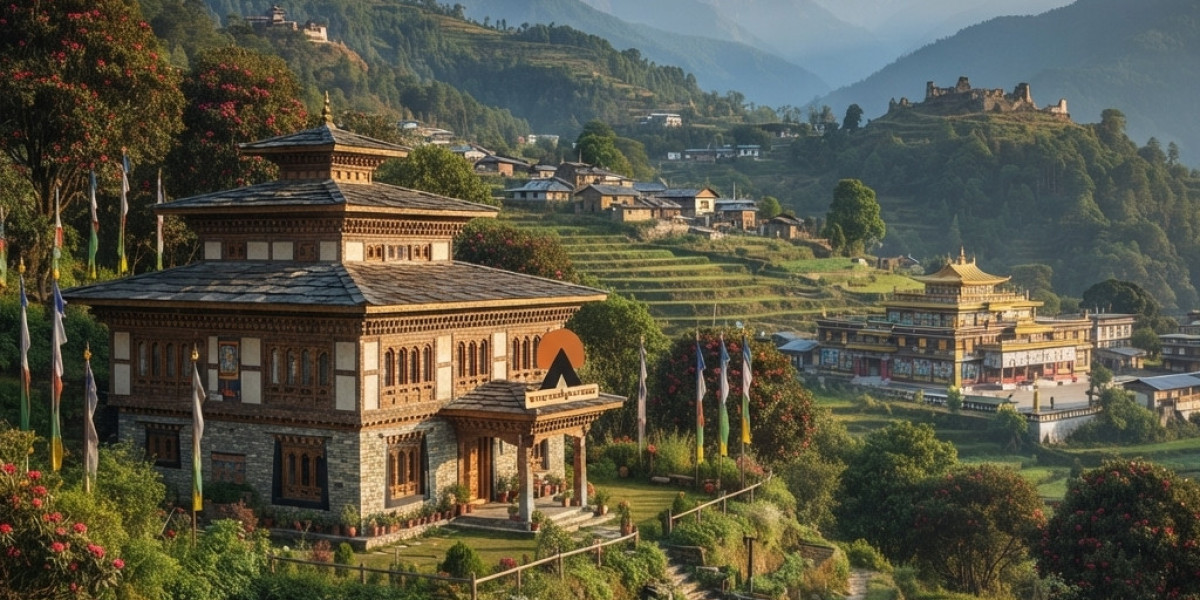

INTRODUCTION
Choosing a homestay in Sikkim can be an excellent way to explore the state's distinctive cultural heritage while staying closer to local communities. Sikkim is known for its Buddhist monasteries, traditional festivals, mountain communities, handicrafts, local cuisine, and diverse cultural traditions. Staying at a homestay can add another dimension to the journey because local hosts may share practical knowledge about nearby attractions, customs, food, and everyday life.
From Gangtok and Rumtek to Pelling, Ravangla, Namchi, and smaller villages, Sikkim offers cultural experiences for travellers with different interests. A homestay can provide a comfortable base for exploring these destinations while giving visitors opportunities to learn more about the region. Raahghar helps travellers discover homestay experiences where local hospitality and cultural exploration can come together.
Why Explore Sikkim Through a Homestay?
A homestay can offer a more personal perspective of a destination than simply visiting its major tourist attractions.
Depending on the property and host, travellers may learn about:
- Local traditions
- Buddhist customs
- Sikkimese cuisine
- Traditional architecture
- Local festivals
- Handicrafts
- Village life
- Regional history
- Monastic traditions
The experience varies from one property to another, so travellers should confirm what services and experiences are actually available before booking.
Cultural Attractions in Gangtok
Gangtok is the capital of Sikkim and an important starting point for cultural exploration.
Travellers staying in or around Gangtok can explore several attractions connected with Sikkim's history and Buddhist traditions.
Some notable places include:
- Enchey Monastery
- Namgyal Institute of Tibetology
- Do Drul Chorten
- Tsuklakhang Monastery
- Sikkim State Museum
- Flower Exhibition Centre
- MG Marg and surrounding local areas
A local host may help you understand how to organise these attractions into a practical sightseeing itinerary.
Enchey Monastery
Enchey Monastery is located near Gangtok and is associated with the Nyingma tradition of Tibetan Buddhism.
The monastery's setting provides travellers with an opportunity to experience Sikkim's religious heritage while enjoying views of the surrounding landscape.
Visitors should maintain respectful behaviour when entering religious spaces, follow local instructions, and avoid disturbing religious activities.
Namgyal Institute of Tibetology
The Namgyal Institute of Tibetology in Gangtok is an important centre associated with Tibetan Buddhist studies and Himalayan culture.
It houses collections connected with Buddhist traditions, manuscripts, artwork, and cultural history.
For travellers interested in understanding the intellectual and artistic heritage of the region, this can be an especially valuable cultural stop.
Do Drul Chorten
Do Drul Chorten is another important Buddhist landmark in Gangtok.
The stupa and surrounding prayer wheels provide visitors with an opportunity to observe elements of Buddhist practice and Sikkim's religious environment.
Travellers should approach such places respectfully and observe local customs.
Homestays in Sikkim
When comparing homestays in Sikkim, travellers interested in cultural tourism should look beyond accommodation facilities.
Consider whether the property offers convenient access to:
- Monasteries
- Villages
- Cultural centres
- Local markets
- Handicraft areas
- Food experiences
- Festivals
- Nature and heritage attractions
A property located in a local community may provide a different experience from accommodation in a busy tourist centre.
Rumtek Monastery
Rumtek Monastery is one of Sikkim's best-known Buddhist sites and an important destination for travellers interested in Himalayan Buddhist culture.
Located near Gangtok, the monastery is known for its architecture, religious significance, and peaceful surroundings.
Visitors can learn about Buddhist traditions through respectful observation and, where appropriate, local interpretation.
A host can potentially provide practical information about reaching the monastery and combining it with other attractions.
Sikkim's Traditional Architecture
Architecture is another way to understand the state's cultural identity.
Traditional homes, monasteries, community buildings, and religious structures often reflect local design traditions and Himalayan influences.
Staying in a homestay can provide an opportunity to observe everyday residential architecture rather than seeing only formal tourist attractions.
Travellers should always ask permission before photographing private homes or residents.
Exploring Local Villages
Village experiences can provide an authentic perspective on everyday life in Sikkim.
Depending on the location of your homestay, you may be able to explore:
- Farming communities
- Village paths
- Traditional homes
- Local temples
- Community spaces
- Small markets
- Agricultural landscapes
A local host can explain appropriate ways to interact with residents and help visitors understand local customs.
Cultural Experiences Around Pelling
Pelling is another popular destination for exploring Sikkim's cultural and historical attractions.
The region offers access to monasteries, heritage sites, villages, and Himalayan landscapes.
Important cultural places around Pelling include:
- Pemayangtse Monastery
- Rabdentse Ruins
- Sikkimese villages
- Local religious sites
The combination of heritage and landscape makes Pelling particularly attractive for travellers interested in both culture and history.
Pemayangtse Monastery
Pemayangtse Monastery is one of Sikkim's significant Buddhist monasteries.
The monastery is associated with the Nyingma tradition and is known for its religious and architectural importance.
Visitors interested in Sikkim's spiritual heritage can include the monastery in their itinerary while respecting the religious environment.
Rabdentse Ruins
Rabdentse was historically associated with the former kingdom of Sikkim.
Today, the ruins provide a glimpse into the region's political and historical past.
The site is surrounded by natural scenery, making it possible to combine historical exploration with a scenic walk.
Ravangla and Buddhist Heritage
Ravangla is another destination where travellers can explore Sikkim's Buddhist heritage.
The Buddha Park at Ravangla is one of the region's prominent attractions, featuring a large Buddha statue set against a mountainous landscape.
The surrounding area also provides opportunities to explore local communities and traditions.
Namchi and Cultural Attractions
Namchi is known for its religious and cultural attractions.
The region includes important pilgrimage sites and large religious structures, making it an interesting destination for travellers exploring Sikkim's spiritual landscape.
A homestay host familiar with the area may be able to recommend additional local experiences beyond the most recognised attractions.
Experiencing Sikkimese Food
Food is an important part of cultural tourism.
Depending on the homestay, travellers may have opportunities to taste local dishes or receive recommendations for regional food.
Sikkimese cuisine reflects influences from different Himalayan communities.
Travellers may encounter:
- Momos
- Thukpa
- Gundruk
- Phagshapa
- Sel roti
- Local fermented foods
- Traditional beverages
Not every homestay provides meals, so guests should confirm dining arrangements before booking.
Exploring Local Handicrafts
Sikkim has traditions of weaving, woodwork, textiles, religious artwork, and other forms of handicraft.
Local markets and craft centres can be useful places to discover these traditions.
A host may be able to suggest local markets or artisan communities where visitors can learn more about regional crafts.
Travellers should purchase handicrafts responsibly and respect artisans' work.
Festivals and Cultural Celebrations
Festivals provide some of the most vivid opportunities to experience Sikkim's cultural traditions.
Different communities celebrate religious and seasonal festivals throughout the year.
Depending on the timing of your trip, you may encounter:
- Losar
- Losoong
- Pang Lhabsol
- Saga Dawa
- Dasain
- Tihar
Festival dates can vary, so travellers should check current local schedules before planning their trip around a specific celebration.
Learning About Sikkim's Communities
Sikkim has a culturally diverse population, including communities such as the Bhutia, Lepcha, and Nepali communities.
This diversity can be seen through:
- Languages
- Food
- Clothing
- Festivals
- Music
- Architecture
- Religious traditions
- Handicrafts
A homestay can provide an opportunity to learn about these traditions through conversations with local hosts.
Why Local Hosts Can Enhance Cultural Exploration
A guidebook can tell you where a monastery or market is located, but a local host may explain why a particular place matters to the community.
Hosts may be able to share information about:
- Local customs
- Religious etiquette
- Traditional food
- Community events
- Local history
- Nearby villages
- Cultural celebrations
This can make cultural sightseeing more meaningful.
Best Homestay in Sikkim
The best homestay in Sikkim for cultural tourism depends on your destination and the experiences you want to have.
When comparing properties, consider:
Location
Choose a property with convenient access to the cultural attractions on your itinerary.
Host Knowledge
A knowledgeable host can be helpful when you want to understand local traditions.
Community Setting
A homestay located within or near a local community may offer greater opportunities for cultural interaction.
Food
If local cuisine is important to you, check whether meals or food recommendations are available.
Reviews
Read recent reviews to understand the quality of hospitality and communication.
Accessibility
Check transportation options and travel time to monasteries, villages, markets, and cultural attractions.
Cultural Etiquette for Visitors
Cultural tourism requires respect.
When visiting Sikkim's monasteries and religious sites:
- Dress respectfully.
- Follow photography rules.
- Avoid loud conversations.
- Do not disturb ceremonies.
- Follow signs and instructions.
- Ask before photographing people.
- Respect prayer areas and religious objects.
These simple practices help ensure positive interactions with local communities.
Planning a Cultural Itinerary
A cultural itinerary can be organised around different themes.
Buddhist Heritage
Visit monasteries, stupas, and religious landmarks.
Historical Heritage
Explore sites such as Rabdentse and other places connected with Sikkim's past.
Village Culture
Spend time in local communities and learn about everyday life.
Food Culture
Try regional dishes and learn about traditional ingredients.
Handicrafts
Visit markets and artisan areas to understand local craftsmanship.
A local host may help you combine these experiences according to your available time.
How Raahghar Can Help
Raahghar connects travellers with homestay experiences that can bring accommodation and local hospitality together.
For travellers interested in Sikkim's cultural attractions, selecting the right property can make it easier to explore monasteries, villages, food traditions, handicrafts, and local communities.
Services and experiences differ between properties, so travellers should check individual listings and discuss their cultural interests with the host before booking.
Conclusion
A homestay in Sikkim can provide an excellent starting point for exploring the state's cultural attractions. From Gangtok's monasteries and cultural institutions to Rumtek, Pelling, Ravangla, Namchi, and traditional villages, Sikkim offers many opportunities to understand Himalayan culture.
Raahghar can help travellers discover homestay experiences where local hospitality becomes part of the journey. By approaching monasteries, villages, festivals, food traditions, and local communities with curiosity and respect, visitors can gain a deeper understanding of Sikkim and its diverse cultural heritage.
Frequently Asked Questions
1. What cultural attractions can I explore from a homestay in Sikkim?
You can explore monasteries, stupas, museums, historical sites, villages, local markets, handicraft areas, and cultural centres depending on your location.
2. Which monasteries are popular in Sikkim?
Rumtek Monastery, Pemayangtse Monastery, Enchey Monastery, and other monasteries across the state are important cultural and religious attractions.
3. Are homestays in Sikkim suitable for cultural tourism?
Yes. A homestay can provide opportunities to interact with local hosts and learn about food, traditions, customs, and everyday life.
4. Can a host help me find cultural attractions?
Some hosts may recommend monasteries, villages, markets, festivals, restaurants, and other cultural experiences.
5. Can I experience local food at a homestay?
Some properties may provide local meals or recommend places where travellers can try regional cuisine. Confirm meal arrangements with the host.