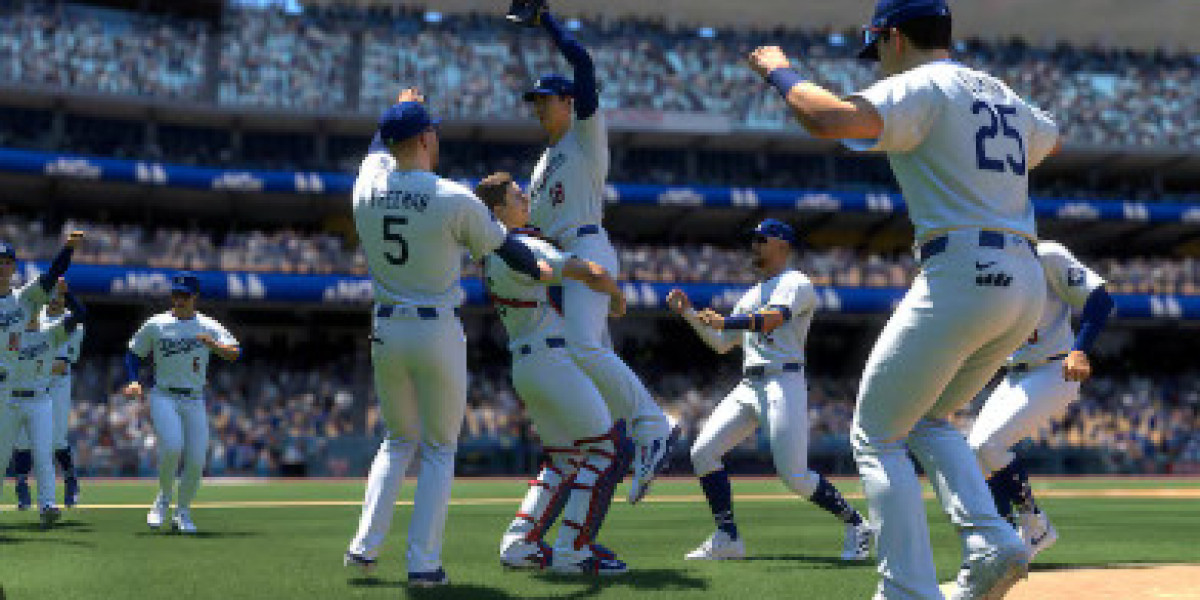

A Supercharged player can change a Diamond Dynasty game in MLB The Show 26, but only if the card enters a situation where its temporary ratings actually matter. That is why chasing every new boost is usually less useful than reviewing your current lineup, your active programs, and the matchups you expect to see. Before spending MLB 26 stubs on a name that is trending, I look for one clear job: a lefty masher against a tough right-handed starter, a faster center fielder for a large park, or a reliever who gives the bullpen a different pitch profile. The card should solve a problem, not create a new roster puzzle.
Start With the Game Mode, Not the Rating
Ranked, Conquest, Mini Seasons, and program grinding ask for different things. In Ranked, a Supercharged hitter needs more than huge contact and power. Check handedness, defensive placement, speed, and whether the player's swing has ever felt comfortable for you. A card with elite numbers can still be a poor choice if it forces a weak defender into a premium spot or leaves your bench without platoon options.
Offline modes are where temporary boosts can become especially efficient. A Supercharged card with usable fielding and strong hitting attributes can cover mission requirements while making the grind less repetitive. If a program asks for innings with a certain team, series, or position, that player may earn PXP while also carrying a lineup through lower-difficulty games. That is much better value than inserting the card for one appearance and immediately moving on.
Build Around Roles Instead of Replacing Your Core
The easiest mistake is benching an established star simply because a boosted card displays bigger numbers. Your regular starters have already earned their place through dependable results. Treat Supercharged players as specialists first. A catcher with extra power may be ideal against a pitcher who attacks the zone. A speedy utility player can become a late-inning runner and defensive replacement. A reliever with a boosted H/9 and a sharp slider can handle one difficult pocket of the opposing order.
Use boosted hitters when they improve a platoon split or fill a weak lineup slot.
Use boosted pitchers when their pitch mix gives you an option your bullpen lacks.
Keep dependable cards in positions where defensive mistakes are costly.
Save a bench spot for flexibility rather than forcing every boosted card into the starting nine.
Test the Feel Before You Commit Resources
Attributes explain potential, but they do not tell you how a card plays in your hands. A short Supercharged window is a good excuse to test a hitter's stride, timing window, and tendency to produce useful contact on inside pitches. For pitchers, focus on whether you can tunnel the fastball with the breaking ball, not just whether the individual ratings look impressive. One or two games can reveal whether the card fits your approach better than its base version ever did.
This also helps separate a fun card from a card worth keeping in your rotation after the boost expires. If the player only succeeds because every attribute is inflated, the roster spot may disappear once the window closes. If the swing, defense, or pitch sequence still feels reliable, you have learned something useful for future releases, theme teams, and captain builds.
The best use of Supercharged players in MLB The Show 26 is selective rather than automatic. Let the boost support your PXP route, a specific matchup, or a lineup weakness, then return to your normal plan when the opportunity passes. That approach keeps resources under control, and MLB 26 stubs for sale should only enter the conversation when a temporary addition provides a real improvement to the way you play.


Beliebte Beiträge