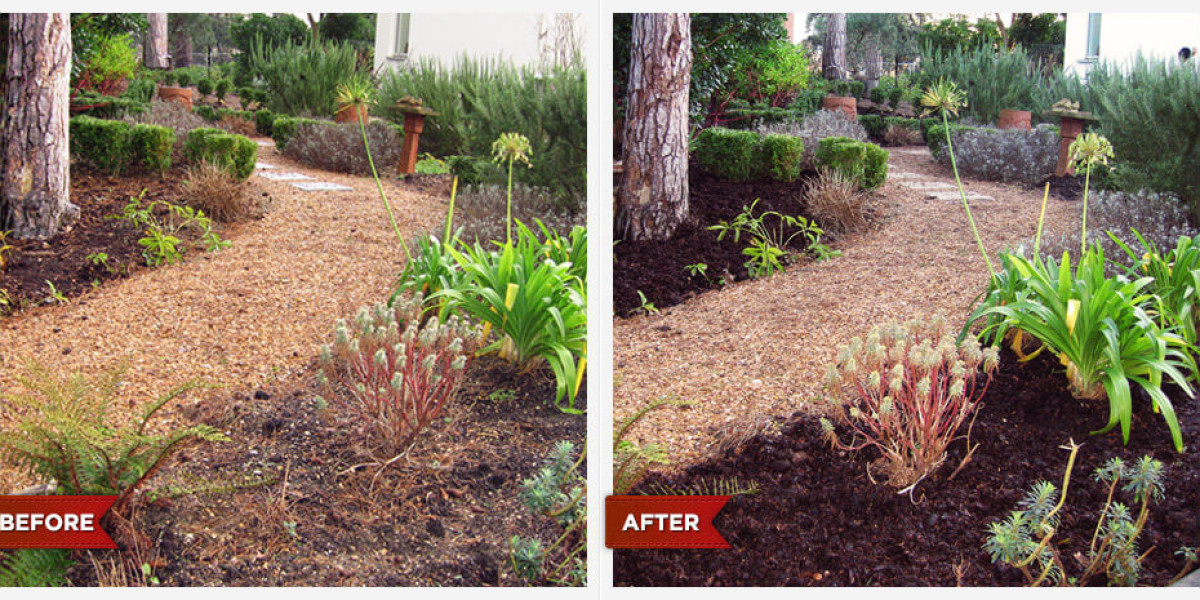

Every seasoned gardener knows that the secret to a thriving British garden isn't just about watering during a dry spell or planting at the right time. It all comes down to the soil. In the UK, our variable climate ranging from saturated winter soils to surprisingly dry summer spells puts significant stress on garden beds.
If you are looking to elevate your outdoor space, incorporating professional yearly mulching into your garden maintenance routine is the single most effective step you can take. Whether you are tending to ornamental borders or managing a sprawling commercial landscape, a proper layer of mulch acts as a natural armor for your soil, regulating temperature, suppressing weeds, and locking in vital nutrients.
What Is Professional Yearly Mulching and Why Does It Matter?
Mulching is the process of applying a protective layer of material such as organic compost, bark chippings, or leaf mold over the surface of the soil. While many homeowners try a quick DIY approach, professional yearly mulching involves strategic timing, precise depth application, and the selection of premium materials suited to specific soil types.
In the UK, soil biology slows down significantly during autumn and winter. Applying a fresh layer of mulch annually replenishes organic matter, feeds earthworms and beneficial microbes, and prepares your garden beds for the vigorous spring growing season.
Top Benefits of Yearly Mulching for UK Landscapes
1. Moisture Retention During Dry Summer Spells
Despite the UK’s reputation for frequent rainfall, summer droughts and hosepipe bans are becoming increasingly common. A two-to-three-inch layer of mulch acts as a physical barrier that drastically reduces evaporation from the soil surface. This means your plant roots stay hydrated longer, reducing the frequency of watering required.
2. Natural Weed Suppression
Weeds compete with your prized plants for water, light, and nutrients. Thick layers of mulch block sunlight from reaching weed seeds dormant in the soil, preventing them from germinating. For optimal results, many enthusiasts pair mulching with quality products like Green Fingers Organic Multipurpose Compost to nourish plants while keeping unwanted growth at bay.
3. Soil Temperature Regulation
UK winters can bring sharp frosts, while spring can swing from warm sunshine to freezing nights. Mulch acts as a thermal blanket. It insulates plant roots against extreme cold during winter and keeps the soil cool and comfortable during sudden summer heatwaves.
4. Gradual Nutrient Enrichment
As organic mulch slowly breaks down over the course of the year, it releases essential macro and micronutrients directly into the soil. This continuous feeding process improves soil structure, enhances crumb texture, and promotes deep, healthy root development.
Choosing the Right Mulch for Your Garden
Not all mulches are created equal. Selecting the right material depends entirely on what you are growing and the aesthetic you want to achieve.
Organic Compost: Ideal for vegetable patches, flower beds, and heavy-feeding plants. It offers rapid nutrient release and improves moisture-holding capacity.
Bark Chippings: Best suited for shrub borders, pathways, and around trees. Bark decomposes slowly and offers a clean, rustic appearance.
Leaf Mold: Excellent for woodland plants and acid-loving species, adding wonderful spongy texture to heavy clay soils.
For expert advice on selecting the right materials or booking professional assistance, you can always explore resources available directly through Green Fingers Gardening Services.
How to Apply Mulch Like a Professional
Achieving professional results requires more than just dumping material onto a flower bed. Follow this step-by-step method to ensure your landscape thrives:
Clear the Area: Remove all perennial weeds, debris, and fallen leaves from the surface of the soil.
Water Thoroughly: Ensure the soil is damp before applying mulch. Mulch locks in existing moisture, so dry soil underneath will stay dry.
Apply at the Correct Depth: Spread a uniform layer of two to three inches. Avoid applying it too thickly, as this can prevent oxygen from reaching the roots.
Protect Plant Stems: Keep a small gap around the stems of trees and shrubs. Piling mulch directly against bark can trap moisture and cause rot or pest infestations.
Frequently Asked Questions
When is the best time of year to apply mulch in the UK?
The ideal time is late autumn or early spring. Autumn application protects roots from winter frost and allows earthworms to incorporate organic matter into the soil. Spring application locks in winter moisture just as plants begin active growth.
Can I put fresh mulch over old mulch?
Yes, provided the old layer is thin and partially decomposed. Simply break up any matted crust and rake a fresh, thin layer over the top to keep your beds looking neat and well-fed.
How often should mulch be replenished?
Organic mulches break down over time as they feed the soil. For most UK gardens, a top up or full renewal once a year is necessary to maintain proper depth and weed suppression.
Conclusion
Healthy landscapes do not happen by accident; they are the result of consistent, intelligent soil care. By investing in professional yearly mulching, you protect your plants against extreme weather, reduce your garden maintenance workload, and foster a rich, vibrant ecosystem right beneath your feet.
Whether you decide to tackle the project yourself using premium organic compost or partner with reliable professionals, taking care of your soil today guarantees a breathtaking garden tomorrow.