
Electrical Engineering is one of the oldest and most influential branches of engineering. It plays a critical role in developing modern technologies that power industries, homes, transportation systems, communication networks, and smart devices. A BS Electrical Engineering degree equips students with the knowledge and technical skills required to design, develop, operate, and maintain electrical and electronic systems.
For students in Pakistan, Islamabad is among the best cities to pursue this degree. The city hosts several prestigious universities offering quality engineering education, modern laboratories, research opportunities, and strong industry connections. A BS Electrical Engineering in Islamabad can open doors to rewarding careers in power generation, telecommunications, automation, robotics, renewable energy, embedded systems, and many other sectors.
What is BS Electrical Engineering?
BS Electrical Engineering is a four-year undergraduate degree program consisting of eight semesters. The program focuses on understanding electrical systems, electronic devices, power generation and distribution, communication technologies, control systems, and computer-based engineering applications.
Students learn both theoretical concepts and practical applications through laboratory work, projects, internships, and research activities. The curriculum is designed to develop analytical thinking, problem-solving abilities, and engineering design skills. Most universities in Pakistan follow guidelines established by the Pakistan Engineering Council (PEC).
Why Choose BS Electrical Engineering in Islamabad?
Islamabad offers a unique academic environment for engineering students. The city contains several renowned universities, research centers, government organizations, and technology companies that provide excellent opportunities for learning and professional growth.
Some major advantages include:
Quality Education
Universities in Islamabad offer modern curricula aligned with international engineering standards. Students gain exposure to the latest technologies and engineering practices.
Advanced Laboratories
Engineering institutions in Islamabad invest heavily in laboratory facilities for electronics, power systems, embedded systems, robotics, telecommunications, and control engineering.
Industry Exposure
Students often benefit from internships, industrial visits, and collaborations with public and private sector organizations. Many universities emphasize industry-oriented learning to prepare graduates for professional careers.
Career Opportunities
Islamabad and Rawalpindi host numerous engineering firms, telecom companies, government departments, energy organizations, and technology startups, creating valuable employment opportunities for graduates.
Eligibility Criteria
Admission requirements may vary between universities, but generally students must have:
- FSc Pre-Engineering
- ICS with Mathematics (where applicable)
- Equivalent qualifications recognized by relevant authorities
- Required marks percentage according to university criteria
- Entry test performance where required
Many universities conduct their own admission tests or accept scores from recognized testing services.
Major Subjects in BS Electrical Engineering
The curriculum covers a broad range of engineering disciplines. Common subjects include:
Mathematics and Basic Sciences
- Calculus
- Differential Equations
- Linear Algebra
- Probability and Statistics
- Applied Physics
Core Engineering Courses
- Circuit Analysis
- Electronic Devices
- Digital Logic Design
- Signals and Systems
- Electromagnetic Theory
- Electrical Machines
- Power Electronics
- Communication Systems
- Control Systems
- Microprocessors and Embedded Systems
Advanced Specializations
- Renewable Energy Systems
- Robotics and Automation
- Artificial Intelligence Applications
- Smart Grids
- Power Distribution Systems
- Wireless Communication
- Industrial Control Systems
Students also complete final-year design projects that address real-world engineering challenges.
Top Universities Offering BS Electrical Engineering in Islamabad
Islamabad is home to several respected institutions offering electrical engineering programs.
Pakistan Institute of Engineering and Applied Sciences (PIEAS)
PIEAS is recognized for its strong engineering and research programs. The university provides students with excellent academic resources and research opportunities.
International Islamic University Islamabad (IIUI)
IIUI offers a comprehensive BS Electrical Engineering program focused on engineering knowledge, problem-solving, innovation, and professional development.
National University of Technology (NUTECH)
NUTECH emphasizes industry-oriented education and practical learning through modern laboratories and industry collaborations.
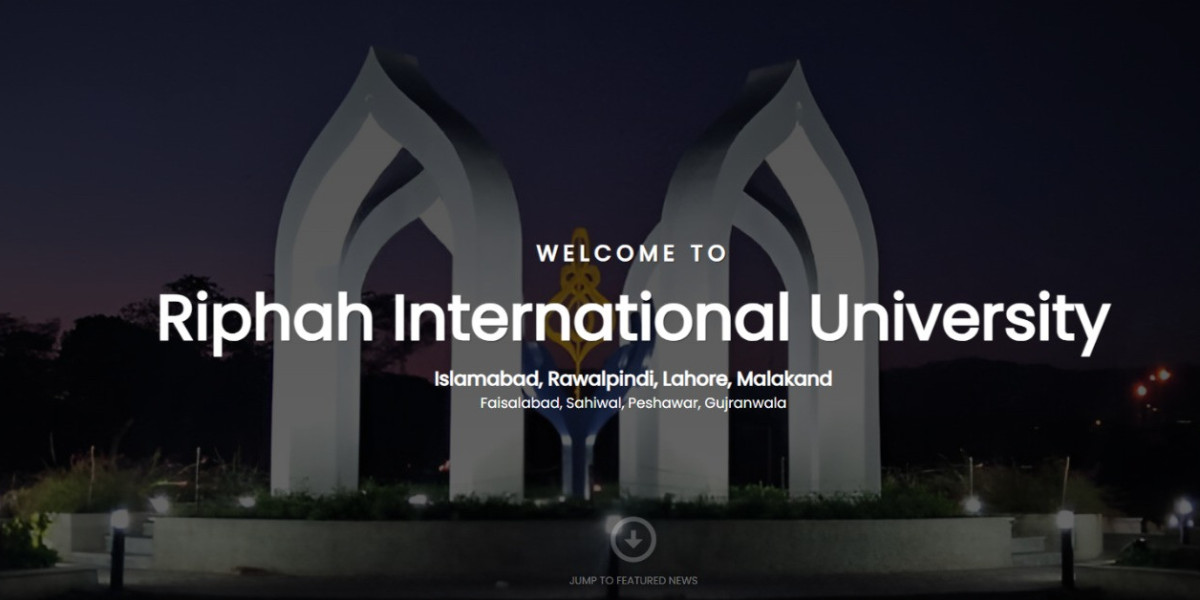
Riphah International University
The university offers a modern electrical engineering program with strong emphasis on practical training and career development.
COMSATS University Islamabad
COMSATS is widely known for quality engineering and technology education, offering students strong academic and professional opportunities.
Scope of BS Electrical Engineering in Pakistan
Electrical Engineering remains one of the most versatile engineering disciplines. Graduates can work across multiple sectors because electricity and electronics form the foundation of modern infrastructure.
Popular industries include:
- Power Generation
- Transmission and Distribution
- Telecommunications
- Electronics Manufacturing
- Renewable Energy
- Robotics and Automation
- Industrial Control Systems
- Embedded Systems
- Information Technology
- Research and Development
The growing demand for renewable energy projects, smart infrastructure, and automation technologies continues to create opportunities for electrical engineers.
Career Opportunities After Graduation
Graduates can pursue various professional roles such as:
Electrical Engineer
Designs, develops, and maintains electrical systems for industrial and commercial applications.
Power Systems Engineer
Works with electricity generation, transmission, and distribution networks.
Electronics Engineer
Focuses on electronic circuits, devices, and embedded systems.
Telecommunications Engineer
Develops and maintains communication networks and wireless technologies.
Control Systems Engineer
Designs automation systems used in manufacturing and industrial processes.
Renewable Energy Engineer
Works on solar, wind, and sustainable energy projects.
Research Engineer
Participates in technological innovation and advanced engineering research.
Higher Education Opportunities
After completing BS Electrical Engineering, students may continue their education through:
- MS Electrical Engineering
- MS Power Systems
- MS Electronics Engineering
- MS Telecommunications
- MS Robotics and Automation
- MS Artificial Intelligence
- MBA for management careers
Higher studies can significantly improve career prospects and earning potential.
Skills Required for Success
Successful electrical engineers typically possess:
- Strong mathematical abilities
- Analytical thinking
- Problem-solving skills
- Technical knowledge
- Creativity and innovation
- Teamwork and communication skills
- Computer programming fundamentals
- Project management capabilities
These skills help engineers adapt to rapidly evolving technologies and industry requirements.
Future of Electrical Engineering
The future of electrical engineering is highly promising. Emerging technologies such as smart grids, electric vehicles, renewable energy systems, industrial automation, robotics, artificial intelligence, and the Internet of Things (IoT) are creating new opportunities for electrical engineers worldwide.
Pakistan's growing focus on energy infrastructure and technological advancement further strengthens the importance of this field. Engineers with expertise in modern technologies will continue to remain highly valuable in the job market.
Conclusion
BS Electrical Engineering in Islamabad is an excellent choice for students interested in technology, innovation, and engineering problem-solving. The city offers access to reputable universities, modern facilities, experienced faculty, and strong career opportunities. Graduates gain versatile skills that enable them to work in power systems, telecommunications, automation, electronics, renewable energy, and many other sectors.
With continuous advancements in technology and increasing demand for engineering professionals, a BS Electrical Engineering degree can serve as a strong foundation for a successful and rewarding career both in Pakistan and internationally.







