
In today's rapidly evolving business landscape, manufacturers face more uncertainty than ever before. Global disruptions, shipping delays, rising transportation costs, labor shortages, and changing trade policies have exposed the weaknesses of long-distance manufacturing models. Companies that once relied heavily on overseas production are now seeking alternatives that offer greater stability, flexibility, and efficiency.
Nearshore manufacturing has become one of the most effective strategies for reducing operational risk. By relocating production closer to key markets, businesses can improve supply chain visibility, shorten delivery times, and respond more quickly to changing customer demands. Among all nearshoring destinations, Mexico has emerged as a preferred choice for international manufacturers because of its strategic location, skilled workforce, and strong industrial infrastructure.
The growing strength of the Mexico supply chain is helping companies build more resilient operations while maintaining cost competitiveness and supporting long-term business growth.
Understanding Nearshore Manufacturing
Nearshore manufacturing involves moving production facilities closer to the primary consumer market instead of relying on factories located thousands of miles away.
For businesses serving North America, Mexico offers an ideal manufacturing location. Products can be transported efficiently across the U.S.-Mexico border, significantly reducing shipping times compared to overseas production.
This approach gives manufacturers greater control over inventory, production schedules, and customer deliveries while minimizing many of the risks associated with global supply disruptions.
Why Global Manufacturing Faces Increasing Risks
Over the past several years, businesses have experienced multiple challenges that disrupted traditional manufacturing strategies.
These challenges include:
- Rising international shipping costs
- Port congestion
- Raw material shortages
- Geopolitical uncertainty
- Longer transportation times
- Labor availability issues
- Fluctuating freight rates
- Unexpected global disruptions
When production is located far from customers, even minor disruptions can create significant delays and increased operating costs.
Companies are realizing that resilience is just as important as cost savings when selecting manufacturing locations.
Faster Delivery Improves Business Performance
One of the greatest advantages of nearshore manufacturing is speed.
Products manufactured in Mexico can reach customers throughout North America within days instead of weeks. This allows businesses to reduce inventory levels while maintaining consistent product availability.
Shorter transportation times also improve customer satisfaction by reducing delivery delays and increasing order reliability.
Faster logistics enable businesses to adapt quickly to market demand without overproducing or maintaining excessive warehouse inventory.
Lower Transportation Costs
Transportation represents a significant portion of manufacturing expenses.
Long-distance ocean freight often includes high shipping rates, customs delays, insurance costs, and additional handling fees.
By manufacturing closer to customers, companies reduce transportation expenses while improving operational efficiency.
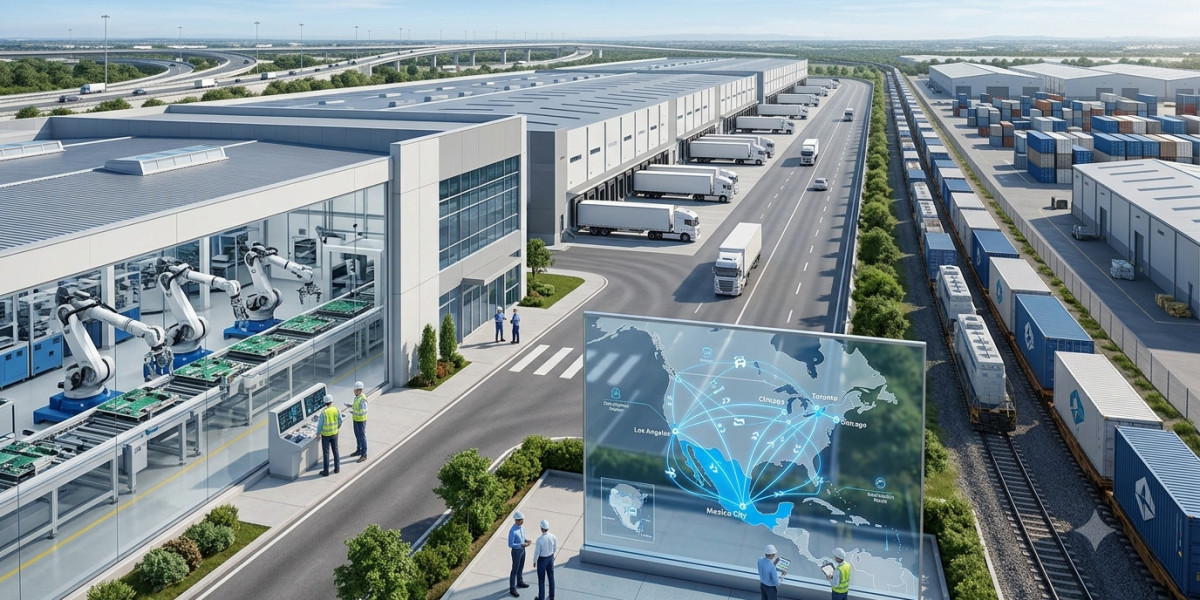
The Mexico supply chain supports cost-effective cross-border transportation through well-developed highway systems, rail networks, ports, and distribution centers that connect manufacturers directly to major North American markets.
Lower transportation costs contribute to stronger profit margins without sacrificing product quality.
Better Supply Chain Visibility
Managing overseas production can be challenging due to long communication cycles and limited visibility into manufacturing operations.
Nearshore manufacturing allows companies to maintain closer relationships with suppliers, production facilities, and logistics partners.
Business leaders can conduct factory visits more frequently, monitor production schedules in real time, and resolve issues before they become major disruptions.
Improved communication also strengthens collaboration between manufacturers and suppliers, leading to better planning and more reliable production outcomes.
Access to Skilled Manufacturing Talent
Successful manufacturing depends on experienced workers.
Mexico has developed a highly skilled workforce supported by universities, technical institutes, and decades of collaboration with international manufacturers.
Industries including automotive, aerospace, electronics, medical devices, and consumer products continue benefiting from skilled engineers, technicians, and production specialists.
This availability of qualified talent enables manufacturers to maintain high production standards while expanding operations efficiently.
Modern Industrial Infrastructure
Mexico continues investing in manufacturing infrastructure that supports business growth.
Industrial parks, logistics centers, highways, rail systems, airports, and seaports create an integrated transportation network that supports efficient movement of materials and finished products.
Many industrial regions also feature specialized manufacturing clusters where suppliers, logistics providers, and production facilities operate within close proximity.
This environment simplifies sourcing while reducing transportation time between suppliers and manufacturers.
Diversification Reduces Operational Risk
Relying on a single manufacturing location can expose businesses to unnecessary risk.
Diversifying production across multiple regions allows companies to continue operating even when one location experiences disruptions.
Many organizations now combine global production strategies with regional manufacturing facilities to improve resilience.
The Mexico supply chain plays an important role in this diversification by providing manufacturers with reliable production capacity close to major consumer markets.
This balanced approach reduces dependence on distant suppliers while improving business continuity.
Supporting Sustainable Manufacturing
Sustainability has become an important priority for manufacturers worldwide.
Producing goods closer to customers reduces transportation distances, lowering fuel consumption and greenhouse gas emissions.
Many manufacturers operating in Mexico are also investing in renewable energy, energy-efficient technologies, water conservation, and environmentally responsible production methods.
These sustainability efforts not only reduce environmental impact but also strengthen corporate reputation and help businesses meet evolving regulatory requirements.
Technology Is Strengthening Manufacturing Operations
Today's manufacturing industry depends on advanced technology.
Factories throughout Mexico continue adopting automation, robotics, artificial intelligence, predictive maintenance, and digital monitoring systems.
These technologies improve production accuracy, reduce downtime, optimize resource utilization, and increase overall productivity.
Real-time production data also allows manufacturers to make faster decisions while improving quality control throughout the manufacturing process.
Technology has become an essential component of modern nearshore manufacturing strategies.
Why Businesses Continue Choosing Mexico
Companies expanding manufacturing operations carefully evaluate several factors before making investment decisions.
Mexico consistently offers advantages such as:
- Strategic geographic location
- Competitive manufacturing costs
- Skilled labor force
- Strong transportation infrastructure
- Reliable supplier networks
- Extensive international trade agreements
- Modern manufacturing capabilities
- Access to North American markets
These strengths continue attracting manufacturers seeking greater operational flexibility and long-term stability.
As businesses adapt to an increasingly competitive global economy, resilience has become just as valuable as efficiency.
The continued growth of the Mexico supply chain demonstrates how regional manufacturing can support stronger business performance while reducing operational uncertainty.
Final Thoughts
Nearshore manufacturing has become much more than a temporary business trend. It represents a long-term strategy for improving resilience, reducing transportation costs, strengthening supplier relationships, and increasing operational efficiency.
Mexico offers manufacturers an ideal combination of strategic location, skilled talent, modern infrastructure, competitive production costs, and reliable access to North American markets. Companies that choose to expand manufacturing operations in Mexico position themselves to respond more quickly to customer demand while reducing exposure to many of the risks associated with global supply disruptions.
As international markets continue evolving, organizations that prioritize flexibility, reliability, and sustainable growth will remain better prepared for future challenges. Supported by the strength of the Mexico supply chain, nearshore manufacturing provides businesses with a practical and strategic path toward long-term success.







