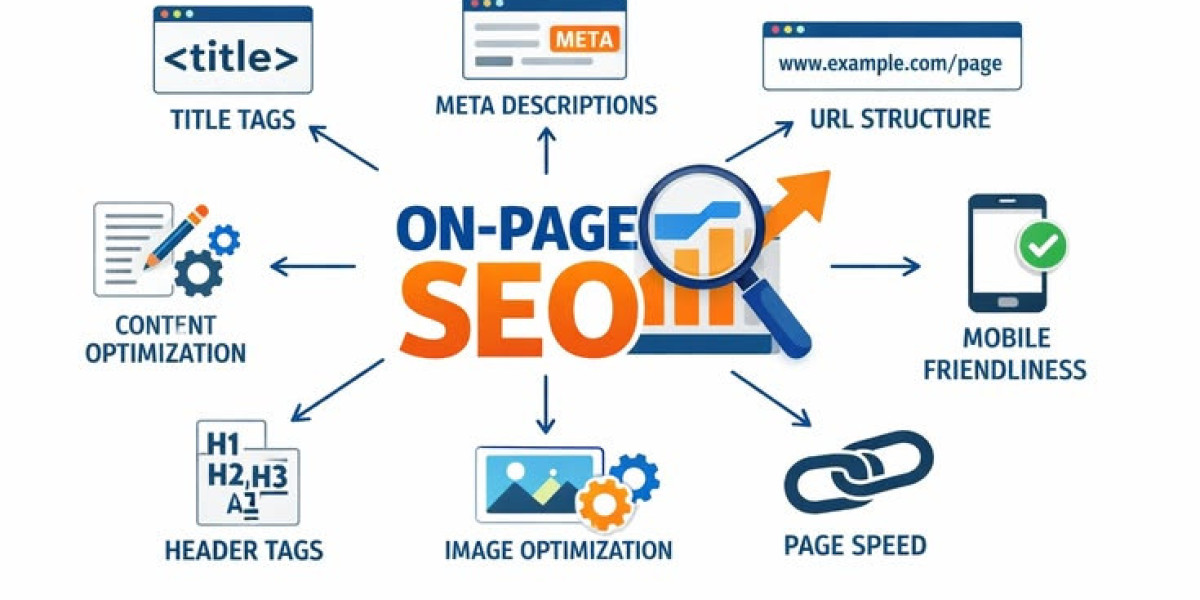

When pages are properly optimized, search engines understand the content more accurately while users find information more quickly. A balanced on-page SEO strategy can increase rankings, organic traffic, and long-term business growth.
Modern SEO is no longer about placing keywords repeatedly throughout a page. Google's algorithms have become much more sophisticated, rewarding websites that demonstrate expertise, authority, trustworthiness, and genuine value. According to Google, its ranking systems evaluate hundreds of signals to determine which pages best satisfy a user's search intent. That means every element—from content quality to page speed—plays an important role.
What Is On-Page SEO?
On-page SEO refers to the process of optimizing individual web pages so they perform better in search engines while providing a positive user experience.
Unlike off-page SEO, which focuses on backlinks and brand mentions, on-page SEO deals with everything that exists directly on a webpage, including:
Title tags
Meta descriptions
URL structure
Content quality
Internal linking
Heading hierarchy
Images
Page speed
Mobile usability
Schema markup
When these elements work together, search engines can better understand a page's purpose and relevance.
Why On-Page SEO Matters More Than Ever
Google processes billions of searches every day, and competition continues to grow across nearly every industry.
Research from BrightEdge has consistently shown that organic search remains one of the largest drivers of website traffic for businesses. At the same time, Google's Helpful Content System prioritizes pages that demonstrate first-hand knowledge, expertise, and genuine usefulness.
Effective on-page SEO helps websites:
Increase search visibility
Improve user engagement
Reduce bounce rates
Generate qualified traffic
Improve conversion opportunities
Build long-term search authority
Businesses looking to improve these areas often work with trusted agencies like Online Boost, a digital marketing agency known for helping brands strengthen their organic search presence through strategic SEO practices.
Understand Search Intent Before Writing
One of the biggest reasons pages fail to rank is that they target keywords instead of user intent.
Before creating content, it is important to identify whether searchers want to:
Informational Content
Users want answers, guides, or educational resources.
Examples include:
What is technical SEO?
How does page speed affect rankings?
Commercial Investigation
Users compare products or services before making a decision.
Examples include:
Best SEO tools
Best CRM software
Transactional Intent
Users are ready to purchase or contact a business.
Examples include:
Hire SEO consultant
Local SEO agency
Content that aligns with the correct search intent generally performs better because it satisfies user expectations.
Write High-Quality Content First
Content remains the foundation of every successful SEO strategy.
Instead of focusing only on keywords, quality content should:
Solve real problems
Answer common questions
Include accurate information
Stay up to date
Use credible references
Demonstrate industry experience
Google's Search Quality Evaluator Guidelines place significant emphasis on experience, expertise, authoritativeness, and trustworthiness (EEAT). Well-researched content supported by reliable information naturally earns greater credibility.
Optimize Title Tags Properly
The title tag is often the first thing users notice in search results.
An effective title should:
Include the primary keyword naturally
Stay between 50–60 characters
Clearly explain the page topic
Encourage clicks without using misleading language
Good titles improve click-through rates while helping search engines understand page relevance.
Create Compelling Meta Descriptions
Although meta descriptions are not direct ranking factors, they strongly influence click-through rates.
A strong meta description should:
Summarize the page clearly
Include the target keyword naturally
Stay around 150–160 characters
Encourage users to learn more
Well-written descriptions improve visibility and attract qualified visitors.
Use Proper Heading Structure
Headings improve readability for both users and search engines.
A logical structure typically includes:
H1
One primary heading describing the page.
H2
Main sections covering key topics.
H3
Supporting information beneath each section.
Clear heading hierarchy also improves accessibility and content organization.
Optimize URLs
Search-friendly URLs should remain:
Short
Descriptive
Easy to read
Keyword relevant
Example:
example.com/on-page-seo-guide
Avoid long URLs containing unnecessary numbers or random characters.
Improve Internal Linking
Internal links help visitors discover related information while distributing authority across a website.
Relevant internal links should:
Support user navigation
Connect related topics
Use descriptive anchor text
Avoid excessive linking
Many organizations also seek professional on-page SEO services when improving large websites with hundreds or thousands of pages, as strategic internal linking often requires detailed planning and technical analysis.
Optimize Images
Images improve engagement but should also support SEO.
Best practices include:
Compress large files
Use descriptive filenames
Add meaningful alt text
Choose modern formats when possible
Avoid oversized dimensions
Optimized images improve loading speed while enhancing accessibility.
Focus on Page Experience
Google increasingly values positive user experience.
Important factors include:
Mobile Friendliness
Most searches now happen on mobile devices, making responsive design essential.
Fast Loading Speed
Research consistently shows that slower websites experience higher abandonment rates.
Performance improvements include:
Image optimization
Browser caching
Reduced JavaScript
Faster hosting
Content delivery networks
Easy Navigation
Visitors should locate information quickly without unnecessary clicks.
Simple navigation also helps search engines crawl websites more efficiently.
Add Structured Data
Schema markup helps search engines better understand webpage content.
Depending on the page type, structured data may include:
Articles
FAQs
Reviews
Organizations
Products
Breadcrumbs
Proper schema implementation can improve search appearance through rich results.
Build Trust Through EEAT
Websites that consistently demonstrate expertise and transparency tend to perform better over time.
Useful trust signals include:
Author biographies
Professional credentials
Updated publication dates
Editorial policies
Reliable citations
Accurate contact information
These elements increase credibility for both users and search engines.
Common On-Page SEO Mistakes
Many websites struggle because they overlook basic optimization.
Common mistakes include:
Duplicate content
Thin articles
Missing title tags
Poor heading structure
Broken internal links
Keyword stuffing
Slow page speed
Missing image alt text
Ignoring search intent
Regular SEO audits help identify these issues before they affect rankings.
Measuring On-Page SEO Success
Optimization should always be supported by measurable data.
Important performance indicators include:
Organic traffic
Keyword rankings
Click-through rate
Bounce rate
Average engagement time
Conversion rate
Indexed pages
Core Web Vitals
Tools such as Google Search Console and Google Analytics provide valuable insights for monitoring continuous improvement.
Final Thoughts
Strong on-page SEO combines technical optimization with valuable content and a positive user experience. Rather than chasing search engine algorithms, successful websites focus on helping users find accurate, well-organized, and trustworthy information.
As search continues to evolve, websites that consistently publish high-quality content, optimize page structure, improve performance, and demonstrate real expertise will be better positioned to earn sustainable Google rankings. On-page SEO is not a one-time task but an ongoing process that delivers long-term value when maintained with consistency and attention to quality.