
Breathing through the nose should feel natural and effortless. However, many people struggle with chronic nasal blockage due to a deviated septum, making everyday activities such as sleeping, exercising, or even talking uncomfortable. When medications fail to provide lasting relief, surgery may be the most effective solution.
Septoplasty in Islamabad is a surgical procedure designed to correct a deviated nasal septum, improving airflow and restoring comfortable breathing. The treatment is commonly recommended for individuals who experience persistent nasal obstruction, frequent sinus infections, or difficulty breathing through one or both nostrils.
This guide explains what septoplasty is, why it is performed, who can benefit from it, and what patients can expect before and after the procedure.
Understanding Septoplasty
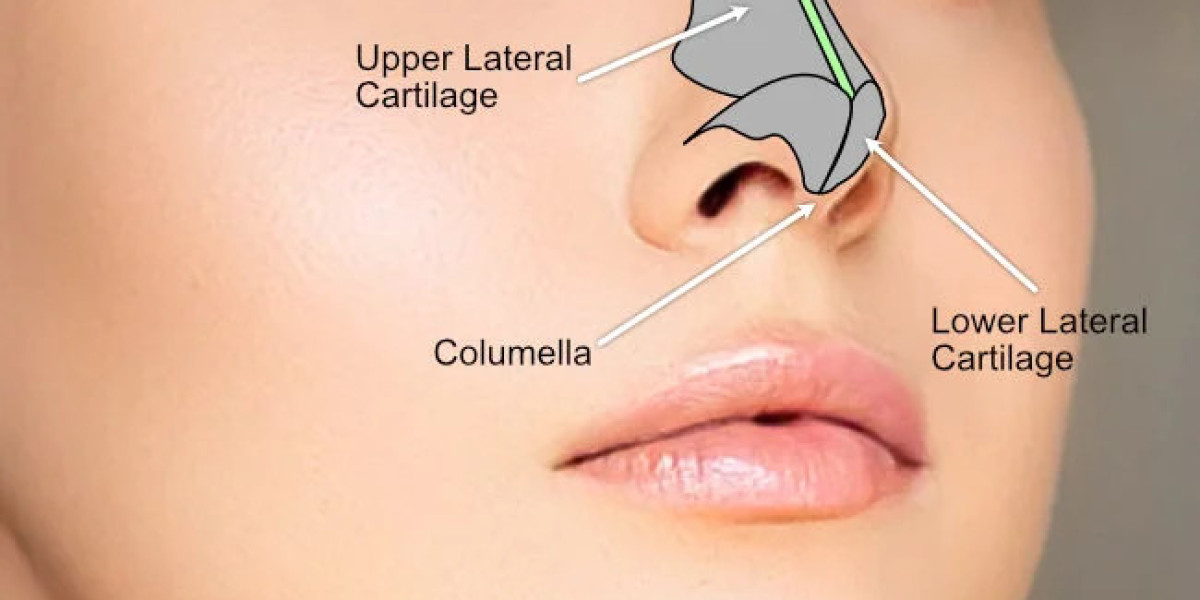
The nasal septum is the thin wall made of bone and cartilage that separates the two nasal passages. Ideally, it should be positioned in the center of the nose. However, many people have a septum that is bent or displaced, a condition known as a deviated septum.
A deviated septum may be present from birth or develop after a nasal injury. While mild cases often cause no symptoms, a severe deviation can interfere with normal breathing and increase the risk of recurring nasal problems.
Septoplasty is a corrective surgery that straightens the septum by reshaping or removing the affected cartilage and bone. Unlike cosmetic nose surgery, the main purpose of septoplasty is to improve nasal function rather than change appearance.
Why is Septoplasty Performed?
Doctors recommend septoplasty when a deviated septum significantly affects a person's quality of life. Common reasons include:
- Persistent nasal blockage
- Difficulty breathing through the nose
- Frequent sinus infections
- Loud snoring caused by restricted airflow
- Recurrent nosebleeds
- Chronic nasal congestion
- Poor sleep quality due to breathing difficulties
The goal is to restore balanced airflow through both nostrils and reduce symptoms that interfere with daily life.
Signs You May Need Septoplasty
Not every blocked nose requires surgery. However, you may be a suitable candidate if you experience:
- Constant breathing problems despite medication
- One nostril that remains blocked most of the time
- Repeated sinus infections
- Difficulty sleeping because of nasal obstruction
- Frequent headaches associated with nasal pressure
- A history of nasal injury causing breathing issues
An ENT specialist performs a detailed examination before recommending surgery.
How the Procedure Is Performed
Septoplasty is usually performed under general or local anesthesia, depending on the patient's condition and the surgeon's recommendation.
During the procedure, the surgeon makes an incision inside the nose, meaning there are no visible external scars. The septum is carefully lifted, straightened, and repositioned. Excess cartilage or bone may be removed if necessary to improve airflow.
Once the correction is complete, the lining of the septum is placed back into position. The surgery generally takes between 30 and 90 minutes, depending on the complexity of the case.
Most patients return home the same day after a short recovery period.
Benefits of Septoplasty
A successful septoplasty offers several long-term advantages beyond improving breathing.
Better Nasal Airflow
The primary benefit is easier breathing through both nostrils, allowing patients to feel more comfortable throughout the day.
Improved Sleep
Many individuals notice reduced snoring and better sleep quality after their nasal passages are fully open.
Fewer Sinus Infections
Correcting the septum improves drainage inside the nose, helping reduce recurring sinus infections.
Better Exercise Performance
Improved oxygen intake makes physical activities more comfortable and less tiring.
Reduced dependence on medication
Many patients require fewer nasal sprays or decongestants after surgery because the underlying problem has been corrected.
Recovery After Surgery
Recovery is generally straightforward, although healing varies from person to person.
Patients commonly experience:
- Mild swelling
- Temporary nasal congestion
- Slight discomfort
- Minor bleeding during the first few days
Doctors usually recommend:
- Resting for several days
- Keeping the head elevated while sleeping
- Avoiding strenuous exercise for a few weeks
- Not blowing the nose until advised
- Taking prescribed medications as directed
Most individuals return to work within one week, while complete healing continues over the following months.
Who Is a Good Candidate?
Septoplasty may be suitable for adults and teenagers whose facial growth is complete and who have:
- A confirmed deviated septum
- Ongoing breathing difficulties
- Recurrent sinus infections
- Nasal obstruction that has not improved with medication
- Realistic expectations about the outcome
A thorough consultation helps determine whether surgery is the most appropriate treatment.
Are there any risks?
Like any surgical procedure, septoplasty carries some risks, although serious complications are uncommon when performed by an experienced surgeon.
Possible risks include:
- Infection
- Bleeding
- Temporary numbness
- Persistent nasal obstruction
- Rare changes in smell
- Need for revision surgery in complex cases
Following post-operative instructions significantly reduces the chance of complications.
Preparing for Septoplasty
Before surgery, your doctor may recommend:
- A physical examination
- Nasal endoscopy or imaging if needed
- Blood tests
- Stopping certain medications that increase bleeding risk
- Avoid smoking before and after surgery
- Arranging transportation home after the procedure
Proper preparation supports a smoother recovery.
Does Septoplasty Change the Shape of the Nose?
In most cases, septoplasty focuses only on improving nasal function. Since the surgery is performed inside the nose, there is usually little to no visible change in appearance.
However, if a patient wishes to improve both breathing and nasal appearance, septoplasty can sometimes be combined with rhinoplasty in a single procedure.
Choosing the Right Clinic
Selecting a qualified clinic is an important part of achieving successful results. Patients should consider:
- Experienced ENT specialists
- Modern surgical facilities
- Comprehensive consultation process
- Clear explanation of risks and recovery
- Positive patient feedback
- Personalized treatment planning
An experienced medical team can ensure both safety and long-term improvement in nasal function.
Final Thoughts
Living with a deviated septum can affect breathing, sleep, and overall comfort. When conservative treatments no longer provide relief, Septoplasty in Islamabad offers an effective solution by correcting the nasal septum and restoring healthy airflow.
The procedure is safe, well-established, and designed to improve quality of life rather than simply address symptoms. With proper evaluation, skilled surgical care, and good post-operative management, many patients experience lasting relief from chronic nasal obstruction and enjoy easier breathing for years to come.
For those considering Septoplasty in Islamabad , Enfield Royal Clinics provides comprehensive assessments, advanced surgical techniques, and personalized treatment plans to help patients breathe comfortably and confidently without mentioning unnecessary cosmetic changes.







